Why Wax Paper UK Shoppers Are Switching from Plastic Wrap [2026 Guide]
Published on: 2026-01-07
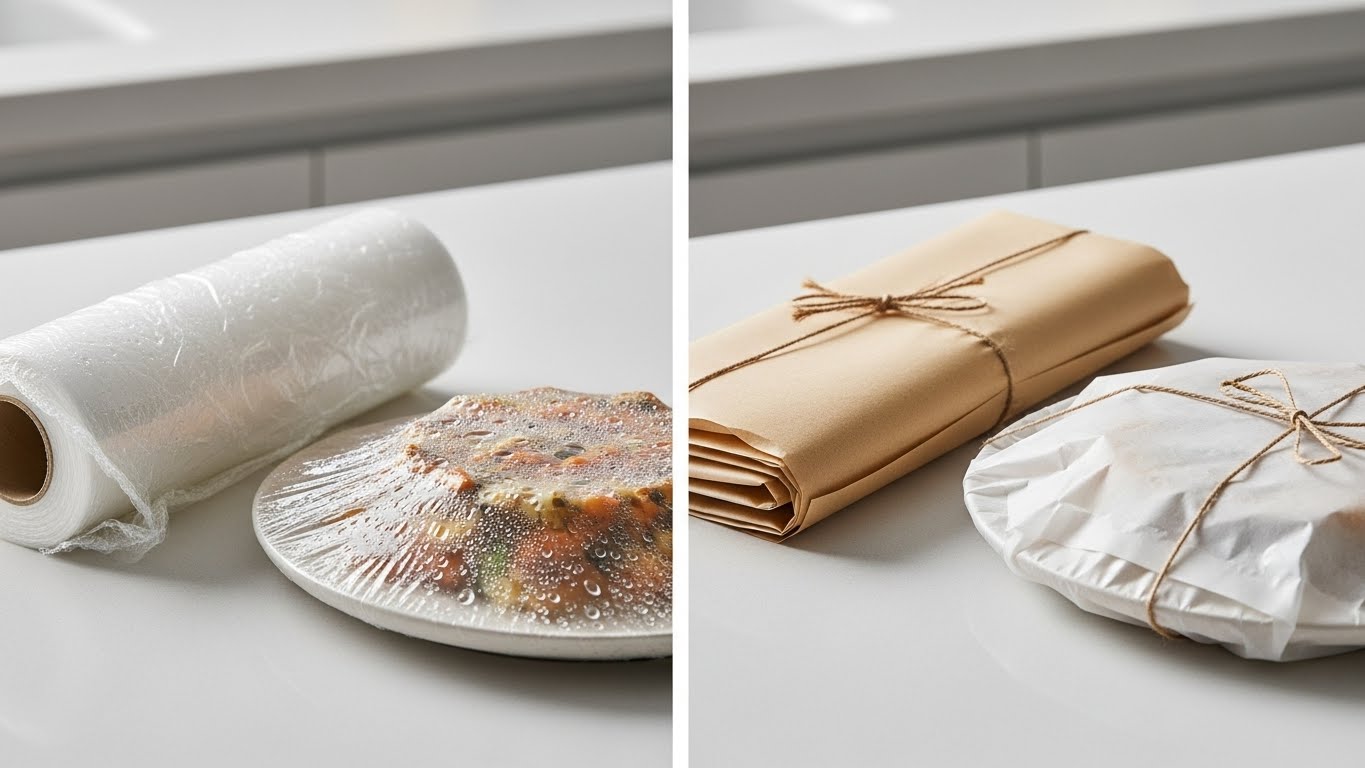
Did you know that 60% of consumers are influenced by packaging when making purchase decisions? This explains why we're seeing a significant shift toward wax paper UK alternatives across households and businesses nationwide. As plastic waste concerns grow, many of us are seeking sustainable options without sacrificing functionality.
In fact, wax paper UK products offer compelling advantages over traditional plastic wrap. They're 100% eco-friendly, biodegradable, and recyclable, while still providing a moisture-resistant barrier that prevents seeping and absorption. Additionally, many suppliers now offer free shipping within the UK and reasonable delivery times of just 3-6 weeks, making the switch more convenient than ever.
Throughout this guide, we'll explore why wax paper is becoming the preferred choice for environmentally conscious shoppers, the different types available in today's market, and specifically how you can incorporate this sustainable alternative into your daily life without compromising on quality or convenience.
What is wax paper and how is it used in the UK?
Wax paper serves as a versatile kitchen essential that has gained significant popularity, a staple found in many homes seeking wax paper uk for its practical benefits. This lightweight paper features a thin coating of food-grade wax typically paraffin or beeswax creating a surface that's non-sticky, grease-resistant, and moisture-proof.
Common uses in food and packaging
Across the UK, wax paper primarily serves as an excellent food wrapper and storage solution. Food businesses particularly value its ability to maintain freshness, flavor, and texture of various products.
The material's breathability makes it ideal for:
- Wrapping sandwiches, burgers, and wraps to prevent sogginess
- Preserving cheese, where it prevents moisture loss without trapping smells
- Packaging bakery items like cookies, cakes, and pastries to prevent sticking
- Separating food layers in storage containers, preventing items from fusing together
- Lining countertops during messy food preparation
Moreover, many UK businesses use wax paper for branding purposes, printing logos and designs directly onto the sheets, giving their products a professional appearance.
How wax paper differs from parchment and plastic wrap
Understanding the differences between wax paper and alternatives is crucial for proper usage. Unlike plastic wrap, wax paper is biodegradable and compostable, making it an environmentally responsible choice.
Regarding parchment paper, the distinction lies predominantly in heat resistance. Both materials offer non-stick properties and are food-safe, yet their applications differ significantly:
- Wax paper contains a paraffin coating that melts when exposed to high heat, making it unsuitable for oven use except when completely covered by food
- Parchment paper features silicone coating, allowing direct oven exposure at high temperatures
Throughout UK food establishments, wax paper serves as an interleaver for items like burgers and cheese slices, preventing them from sticking together. Essentially, wax paper offers moisture resistance without trapping humidity, whereas plastic wrap creates an airtight seal that can sometimes promote condensation.
Despite modern alternatives, wax paper remains a staple in UK kitchens due to its affordability compared to parchment paper typically costing half as much for equivalent quantity.
Why UK shoppers are moving away from plastic wrap
The plastic wrap industry in the UK has come under increasing scrutiny as 1.2 billion meters of cling film are used across the country annually. This staggering figure has prompted many shoppers to reconsider their kitchen staples for more sustainable alternatives.
Environmental concerns with plastic
Plastic wrap's environmental footprint extends far beyond its production. Although technically recyclable in some regions, contamination with food means the vast majority ends up in landfills. Furthermore, conventional stretch wrap breaks down into microplastics that contaminate soil, water, and air.
These environmental impacts are substantial:
- 79% of plastic waste products end up in landfills or oceans
- 1,726 tons of plastic film packaging becomes rubbish each year in the UK
- When degrading, plastic wrap can release highly toxic chemicals called dioxins
Health and food safety considerations
Beyond environmental concerns, research has uncovered troubling health implications. Plastic wrap can leach chemicals into food, especially when heated or in contact with fatty foods. Consequently, scientists have found microplastics in human blood, organs, and even breast milk.
Chemicals of particular concern include:
- DEHA (diethylhexyl adipate) in PVC wrap, which can migrate into high-fat foods
- Phthalates and BPA, which may interfere with hormone function
- PFAS from food packaging, which transfers into food over time
A 2023 study found that children exposed to phthalates during pregnancy or infancy were more likely to develop behavioral, attention, and learning disorders.
Government regulations and bans
The UK government has responded with decisive action. In 2022, the UK introduced a Plastic Packaging Tax of £210.82 per ton on packaging with less than 30% recycled content. Subsequently, bans on single-use plastic items took effect, though certain food packaging remains exempt.
According to the Department of Environment, Food and Rural Affairs, England alone uses 2.7 billion pieces of single-use cutlery and 721 million single-use plates yearly, with only 10% recycled. This regulatory landscape continues to evolve, encouraging consumers to seek alternatives such as wax paper.
Top benefits of switching to wax paper
Switching to wax paper offers numerous practical advantages beyond just environmental benefits. The market for wax paper in the UK continues to grow as both consumers and businesses discover its versatile properties.
Greaseproof and moisture-resistant
One of the most valuable properties of wax paper is its excellent barrier against both grease and moisture. The wax coating creates an effective shield that:
- Prevents oils from seeping through when wrapping greasy foods
- Maintains food freshness by blocking moisture infiltration
- Offers a non-stick surface that prevents foods from adhering to packaging
- Creates a protective barrier that preserves the integrity of packaged items
Customizable for branding
For UK businesses, wax paper provides outstanding branding opportunities. Custom printed wax paper serves as an effective marketing tool that:
Increases brand visibility and recognition through customizable design options Offers additional protection as the ink creates another barrier against contaminants Helps businesses stand out with unique packaging that reflects their identity
Microwave and freezer safe
Unlike some alternatives, quality wax paper maintains its integrity across various temperatures. Most UK wax paper products are:
Microwave-safe, preventing splatters when reheating food Freezer-safe, making them ideal for storing frozen items Versatile enough for both cold and hot food applications
Biodegradable and compostable
Many wax paper options in the UK market offer impressive environmental credentials:
Made from unbleached paper and coated with natural waxes like carnauba Completely free from plastic packaging, using recyclable card boxes instead Commercially compostable, returning organic material to the ecosystem Free from chlorine, eliminating risks of harmful residues entering water systems
Cost-effective for bulk use
Primarily, wax paper presents an economical solution for both households and businesses:
Substantially more affordable than other custom packaging materials Available in bulk orders with discounts to reduce overall shipping costs Helps reduce costs without sacrificing performance or convenience Lightweight, easy to store, and simpler to process compared to plastic alternatives
All these benefits make wax paper a compelling choice for UK consumers looking to reduce their environmental impact without compromising on functionality or esthetics.
Types of wax paper available in the UK market
The UK market offers an array of wax paper varieties, each with distinct properties and applications for different packaging needs.
Greaseproof paper
Greaseproof paper leads the market with robust growth at 4.5% CAGR over the next five years. This versatile option prevents oils and moisture from seeping through, making it ideal for wrapping sandwiches and oily foods. Currently, UK manufacturers are developing plant-based greaseproof coatings to enhance sustainability.
Parchment paper
Parchment paper differs from greaseproof paper primarily through its silicone coating, offering superior heat resistance for baking. It's non-stick, reusable, and can withstand temperatures up to 450°F. Initially designed for baking, it has become increasingly popular for wrapping sandwiches and pastries throughout British households.
Deli and butcher paper
Deli paper serves cafés, restaurants, and food trucks, available in various colors with tear-resistant properties. Conversely, butcher paper typically kraft-based comes in white, brown, or pink varieties, specifically designed for meat wrapping. Notably, gingham-patterned butcher sheets remain a classic choice across UK food establishments.
Glassine and kraft wax paper
Glassine paper provides a smooth, semi-transparent finish that's completely recyclable yet offers excellent moisture resistance. Remarkably, it contains no wax or coating but maintains grease-resistance. Food businesses appreciate its clear appearance that showcases products while maintaining freshness.
Custom printed wax paper
Custom printed options have gained popularity among UK businesses seeking to enhance brand visibility. Primarily biodegradable and made from kraft paper, these customizable sheets create distinctive packaging experiences. Food establishments increasingly choose custom wax paper with crisp, vibrant color printing that showcases logos and designs.
Conclusion
The shift toward wax paper alternatives throughout the UK represents a significant change in how we approach food storage and packaging. Plastic wrap's environmental impact with 1.2 billion meters used annually and most ending up in landfills has pushed many of us to seek better options. Wax paper stands out as an exceptional alternative due to its biodegradable nature and practical benefits.
Food safety concerns certainly strengthen the case for making this switch. Chemicals leaching from plastic wrap into our food pose real health risks, while wax paper offers a natural, non-toxic alternative. This explains why families across the UK now choose wax paper for everything from sandwich wrapping to cheese storage.
The variety available meets nearly every packaging need. Whether you require greaseproof paper for oily foods, parchment paper for baking, specialized butcher paper, or custom-printed options for business branding the market offers suitable solutions for each purpose.
Cost considerations also favor wax paper, especially for bulk users. Though the initial price might seem higher than plastic wrap, the overall value proves greater when factoring in environmental costs. Additionally, UK suppliers now provide convenient shipping options, making accessibility less of a barrier.
Last but certainly not least, government regulations continue to push the market toward sustainable alternatives. The Plastic Packaging Tax and bans on single-use items signal a permanent shift away from conventional plastics.
Wax paper therefore presents a practical, environmentally responsible choice for UK shoppers. The benefits extend beyond personal health to broader environmental protection allowing us to make small daily choices that collectively create significant positive impact.
 English
 French
 Spanish
 German
 Italian
 Portuguese