How to Choose the Best Paper for Bakery Packaging (Expert Tips Inside)
Published on: 2025-12-26
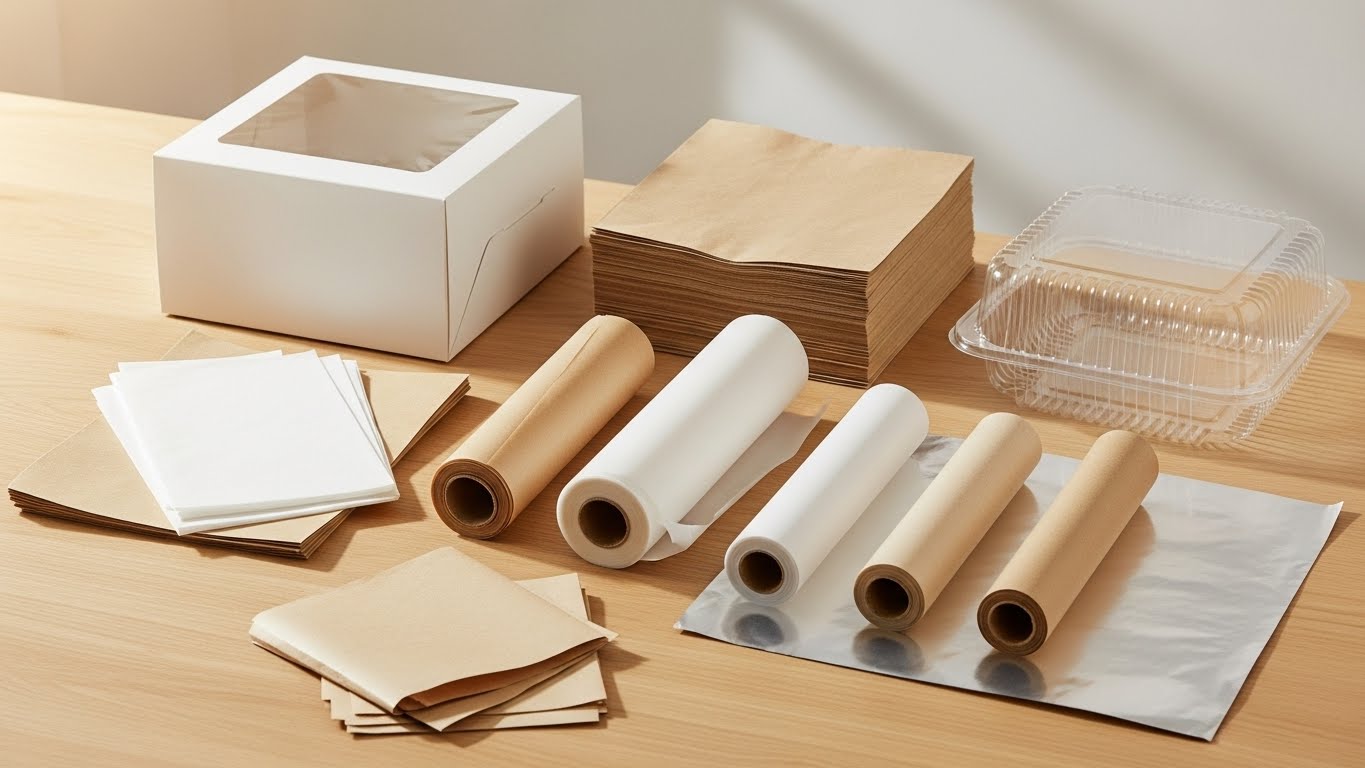
Choosing the right paper for bakery products is one of the most crucial decisions we face as bakers. I've been considering custom-printed Kraft paper for wrapping baked goods, as it's both practical and sustainable. However, finding the perfect balance between functionality and eco-friendliness isn't always straightforward.
When exploring options like butter paper for bakery use, we often encounter competing priorities. I'd like to reduce my footprint by stop using parchment paper for my rolls but also don't want the bottoms to brown. This dilemma reflects the challenge many of us face wanting packaging that preserves our creations while aligning with our values.
In this guide, I'll share everything I've learned about selecting the ideal bakery packaging materials. From understanding different paper types to evaluating moisture resistance, we'll explore practical solutions that protect your delicious creations without compromising on esthetics or environmental responsibility. Let's unwrap the essentials of bakery packaging together!
Essential Bakery Packaging Needs
Packaging does far more than just contain your baked goods it preserves freshness, maintains quality, and serves as your brand ambassador. For pastry freshness that diminishes after about two days, or muffins and cakes that retain peak freshness for only four to five days, the right paper for bakery products becomes essential. Consequently, bakers must select packaging that creates a durable barrier against moisture loss and environmental contamination.
Why packaging matters for baked goods
The importance of proper packaging cannot be overstated. Freshness directly influences customer satisfaction, repeat business, and reduced waste. Furthermore, high-quality bakery boxes prevent products from spoiling prematurely, which helps avoid disappointed customers and unnecessary food waste. For baked goods with high moisture content (>12%), packaging must address their susceptibility to oxidation, enzymatic reactions, and microbial spoilage.
Notably, different baked items require specific packaging solutions. Bread typically needs breathable packaging to maintain its crusty texture, whereas cakes and pastries demand moisture-resistant materials to preserve their softness and structure.
Common challenges bakers face with packaging
Bakery environments present unique packaging challenges:
- Product delicacy: Baked goods come in various shapes and sizes and can easily crumble or break if not handled properly
- Crumb generation: Flour dust and loose crumbs can contaminate sealing areas
- Moisture control: Finding the balance between moisture retention and preventing sogginess
- Varied dimensions: Accommodating different products from baguettes to cupcakes
- Short shelf life: Molds are the most common spoilage organism in baked goods
Unless you're making only one type of baked good, a one-size-fits-all approach rarely works. In particular, items like cupcakes and muffins benefit from individual packaging or larger boxes with trays that keep each product secure.
Balancing function, esthetics, and sustainability
In essence, ideal packaging for baked goods should strike a perfect balance between functionality, presentation, and environmental responsibility. On one hand, packaging needs to be sturdy enough to protect delicate items; on the other hand, it should showcase your creations effectively.
Given the growing consumer preference for sustainability, many bakers now view compostable packaging as the most sustainable choice, ranking it above both paper and recycled materials. At the same time, sustainable packaging must still offer sufficient protection some compostable materials might not provide adequate moisture or grease resistance for certain products.
Despite these challenges, finding this balance is possible with the right knowledge about packaging materials like butter paper for bakery use, which can offer both functionality and eco-friendliness.
Types of Paper Used in Bakery Packaging
The bakery industry relies on several specialized paper types, each serving unique functions in preserving and presenting baked goods. Knowing when to use each variety makes all the difference between packaging that protects your creations and packaging that compromises them.
Kraft paper: pros and cons
First and foremost, Kraft paper stands out for its impressive strength and tear resistance. Made through a chemical pulping process that removes lignin from wood pulp, it creates durable cellulose fibers ideal for bakery packaging. The natural brown color gives products an eco-friendly, artisanal appeal that many customers appreciate.
Kraft paper offers several advantages for bakeries:
- Biodegradable: Breaks down in 2-6 weeks under natural conditions
- Recyclable: Can be reprocessed multiple times
- Breathable: Allows airflow that helps items like bread stay fresh
- Customizable: Easily printable for branding
Nevertheless, it has limited moisture resistance, making it less suitable for oily or highly moist items without additional protection.
Butter paper for bakery: when to use it
Meanwhile, butter paper (often interchangeable with parchment paper) offers non-stick, grease-resistant qualities that make it indispensable in bakeries. Its smooth surface and moderate heat resistance create perfect conditions for baking and packaging delicate items.
I find butter paper particularly valuable for:
- Removing baked goods without breakage
- Effectively keeping grease and oil contained
- Maintaining food shape and texture
- Lining trays for even cooking and easy cleanup
Wax paper vs parchment paper
In contrast to parchment paper, which can withstand oven temperatures up to 450°F, wax paper is coated with a thin layer of paraffin wax that melts at low temperatures. This fundamental difference dictates their uses in bakery settings.
Parchment paper excels for baking sheets and cake pans, while wax paper is better suited for wrapping sandwiches and storing items that need moisture protection. Remember this critical rule: never use wax paper in the oven.
Greaseproof paper: ideal for oily items
Similarly, greaseproof paper is specifically designed to resist oil and grease penetration. It's manufactured by beating pulp to create a dense, tightly-knit structure or by applying specialized coatings. This makes it perfect for wrapping fatty foods like pastries, fried items, and oily baked goods.
Its heat resistance and oil-repellent properties make it especially valuable for takeaway services where maintaining food integrity during transport is essential.
How to Choose the Right Paper for Your Bakery
Selecting appropriate paper for your bakery requires careful consideration of several factors beyond just price and availability. Let me guide you through the decision-making process to ensure your packaging performs optimally for your specific needs.
Consider the type of baked goods
First, assess what you're baking. For artisanal breads, paper that offers breathability works best as it prevents sogginess while protecting against contaminants. For cakes and cookies requiring moisture protection, consider options with better barriers. The physical characteristics matter too delicate pastries need sturdier packaging than sturdy bread loaves. Additionally, items with high oil content require specialized solutions to prevent unsightly grease marks.
Evaluate moisture and grease resistance
The ability to resist grease and moisture stands as a critical factor when selecting bakery paper. For oily products, check for papers with oil protection systems that prevent leaks. Heat resistance is equally important quality baking papers should withstand temperatures up to 450°F/230°C. Foopak Greaseproof Paper, for instance, offers superior resistance to oil, grease, and moisture through its specialized protection system.
Think about branding and printability
Your packaging represents your brand. Therefore, consider papers that accept printing well for logos and designs. Kraft paper accepts printing easily and provides that authentic, artisanal feel many customers appreciate. For presentation purposes, you might also explore options like pink parchment sheets or custom-printed designs for better branding. Remember that packaging serves as both protection and marketing.
Check for food safety certifications
Ultimately, any paper used for bakery products must meet strict food safety standards. Look for certifications like FDA compliance to ensure your packaging is safe for direct food contact. According to food packaging experts, hygiene and safety are consumers' top priorities. Working with SQF-certified packaging manufacturers ensures your processes meet global food safety standards. Other valuable certifications include FSC, SFI, and PEFC, which verify sustainability practices.
Expert Tips for Eco-Friendly and Professional Packaging
Environmental consciousness has become a major factor in consumer purchasing decisions. In fact, more than 90% of consumers prefer buying from environmentally conscious brands. As bakers, we have numerous opportunities to make our packaging more sustainable.
Use recyclable or compostable materials
Kraft paperboard stands out as an excellent eco-friendly choice, being 100% recyclable and fully compostable. Beyond traditional options, consider plant-based packaging made from renewable resources like corn and sugarcane. Many compostable bakery products break down in 180 days or less in commercial facilities, although availability of these facilities varies by location.
Opt for minimal but effective designs
Minimal designs use less ink and require fewer printing processes, effectively reducing harmful chemicals and energy consumption. Importantly, research shows 73% of consumers are willing to pay more for products with sustainable packaging. Consider uncoated kraft paperboard with a natural matte finish for an earthy appeal that signals environmental consciousness.
Partner with local or sustainable suppliers
Choosing FSC-certified materials ensures your paper comes from responsibly managed forests. Look for bakery packaging that meets ASTM D6400 standards for industrial compostability. For certain items, consider reusable containers that minimize waste while representing your brand as sustainable. This approach creates ongoing brand exposure that disposable packaging cannot match.
Conclusion: Making Your Final Choice
Selecting the right paper for your bakery packaging ultimately comes down to a practical three-step assessment: first, match the material to your product’s specific needs (moisture, grease, structure); second, ensure it aligns with your brand’s aesthetic and values; and third, verify its food safety and environmental credentials. There’s no single perfect paper for every item, but by understanding the strengths of Kraft, butter, parchment, and greaseproof papers, you can make informed, confident choices. Invest in packaging that does its job flawlessly protecting your product, pleasing your customer, and reflecting your commitment to quality and sustainability. Start by testing your top options with your best-selling items, and let real-world performance guide your final decision.
 English
 French
 Spanish
 German
 Italian
 Portuguese