Finding the Ideal Substitute of Parchment Paper for Everyday Baking Tasks
Published on: 2025-11-28
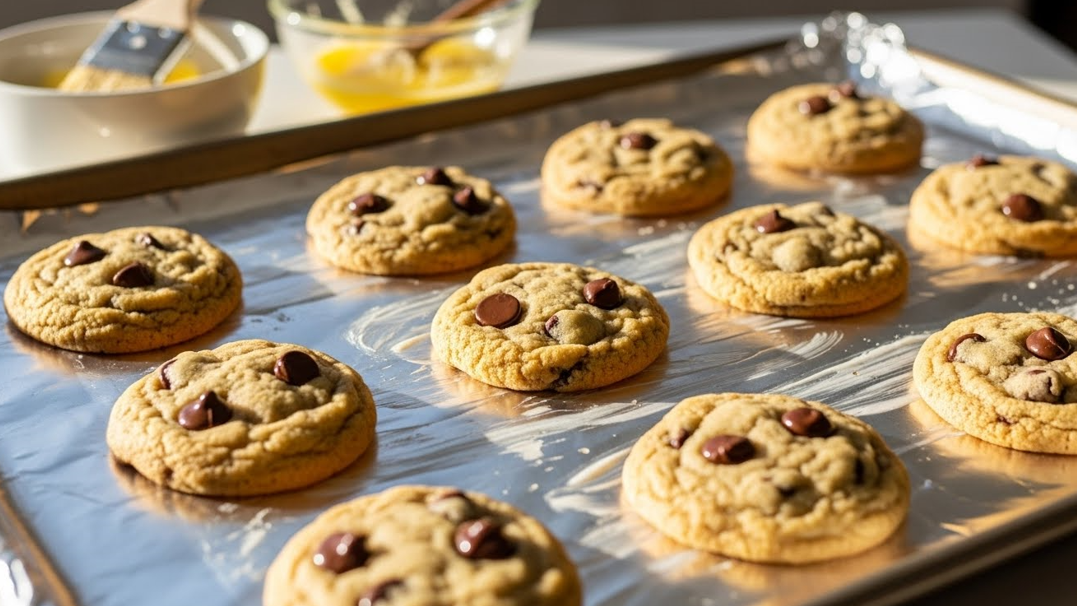
In any well used kitchen, parchment paper has become a familiar companion. Its effortless release, clean finish and heat resistant surface make it a favourite among seasoned bakers and beginners alike. Yet parchment was not always available in earlier kitchens, and even today many home cooks prefer to explore options that offer greater durability, affordability or traditional technique. Understanding the many substitutes available opens the door to improved texture, enhanced flavour and more confident baking.
Parchment paper serves several roles at once. It prevents sticking, regulates browning and protects your trays. However, it is still a disposable item with limitations in both temperature and lifespan. For this reason, many cooks search for a substitute of parchment paper that suits their recipes while offering more control. Not all substitutes behave the same way, and each option supports a different style of baking. Learning these distinctions helps you achieve better results and broadens your baking skills significantly.
Where earlier bakers relied on clever methods rather than manufactured liners, modern bakers now have the benefit of both tradition and innovation. Exploring each option in detail gives you the freedom to choose the safest, most effective method for your kitchen. Whether you bake daily or occasionally, the right substitute allows you to work more efficiently and understand your ingredients more deeply.
The Importance of Choosing the Right Substitute of Parchment Paper
Before choosing any alternative, it is important to understand what makes parchment paper so dependable for everyday baking. Its ability to prevent sticking, regulate browning and provide a clean surface has made it a favorite in home and professional kitchens. When exploring a substitute of parchment paper, the goal is not only to replace its functionality but to find methods that suit different recipes more effectively. By learning how heat, moisture and surface texture interact, bakers can select an option that improves results beyond what traditional parchment can achieve.
Seasoned Cast Iron Sheets for Baking
A seasoned cast iron sheet can serve as a powerful replacement for parchment paper in many cases. When properly seasoned, cast iron develops a naturally slick surface that resists sticking. It holds heat exceptionally well, making it ideal for bread, pastries, roasted vegetables and rustic biscuits.
Why it works:
The baked-on oil layer creates a polymerised coating that mimics non stick properties safely and naturally.
Best uses:
High heat bakes, rustic loaves, flatbreads, roasted root vegetables and items that benefit from intense bottom heat.
Beeswax Wraps for Gentle, Low Heat Uses
Beeswax wraps are not suited for oven baking, but they can be used in place of parchment for tasks like wrapping dough, covering bowls or resting pastry in the refrigerator.
Why it works:
Beeswax has a breathable surface that prevents dough from drying without sticking to it.
Best uses:
Chilling cookie dough, wrapping pastry blocks, covering rising dough and storing baked goods.
Butter-Coated Baking Paper Sheets Cut From Plain Paper
Plain, uncoated paper can be used safely when brushed lightly with butter or oil. This method was once common before parchment became widely accessible.
Why it works:
The fat layer acts as a barrier, preventing the paper from absorbing moisture or sticking to food.
Best uses:
Cakes, tea loaves, steamed puddings and recipes that bake at moderate temperatures.
Clay and Ceramic Baking Tiles
Ceramic tiles have been used for centuries in traditional ovens. When preheated, they provide strong radiant heat and allow dough to release naturally with a light dusting of flour or semolina.
Why it works:
Ceramic creates a dry, even surface that reduces sticking and promotes a firm base.
Best uses:
Pizza, focaccia, flatbreads, naan, hand shaped pastries and crusty loaves.
Rice Flour or Potato Starch as Natural Non Stick Agents
In many regions, bakers use fine rice flour or potato starch instead of parchment. These powders resist moisture and remain separate from dough, creating a smooth release.
Why it works:
Rice flour particles do not absorb water readily, so they help prevent sticking without altering flavour.
Best uses:
Asian style breads, dumplings, steam baked goods, gluten free doughs and sticky batter preparations.
Oil Infused Cooling Racks Used Inside the Oven
Sometimes, elevating your food is more useful than lining a tray. Lightly greased cooling racks can be placed inside the oven to hold items that drip or require airflow.
Why it works:
Air circulates around the food, reducing sticking and enhancing crisping.
Best uses:
Bacon, chicken wings, potato slices, coated vegetables and items that need even crisping.
Choosing the Right Material Based on Food Type
Understanding when to use each substitute is the key to successful baking.
For sticky batters: Use greased pans, butter brushed paper or silicone based options.
For breads and pizza: Use stones, cast iron, ceramic tiles or light dusting techniques.
For roasting: Foil, cast iron sheets or greased trays.
For delicate pastries: Use rice flour, silicone mats or reusable liners.
Each method has its own character, and pairing it correctly ensures a smooth, clean release without damaging your final result.
How To Prepare Your Trays for Better Non Stick Results
Even the best substitute can underperform if your tray is not prepared correctly. Here are time tested practices used in older kitchens:
Condition Your Bakeware: Heat pans lightly before greasing. Warm surfaces spread fat evenly.
Dust Selectively: Use semolina for breads, flour for cakes, rice flour for delicate doughs.
Do Not Over-Grease: Too much oil can burn and create bitter flavours.
Rotate the Tray: Substitutes like cast iron and ceramic hold heat strongly, so rotating helps prevent uneven browning.
Allow Proper Cooling: Removing baked goods too early causes tearing. Let them settle before lifting.
Benefits of Exploring Different Substitutes
Using alternatives is not simply an emergency solution. Many offer genuine advantages:
1. Preservation of traditional baking techniques
2. More control over texture
3. Less single use waste
4. Stronger durability
5. Lower long term cost
6. Stronger caramelisation
7. Better crust formation
Each substitute has qualities that parchment paper alone cannot provide, giving you a broader range of culinary possibilities.
Final Summary
Exploring substitutes for parchment paper introduces you to methods that many skilled bakers have trusted across generations. Whether you choose cast iron, ceramic tiles, natural starches or classic greasing techniques, each option carries its own strengths and unique benefits. Selecting the right approach brings greater flavour, improved heat control and more confidence in your baking results.
We value the importance of reliable and safe kitchen resources. Our range of baking materials and speciality papers supports both traditional and modern kitchens with quality you can depend on. Visit our store to discover products made to enhance your cooking experience every day.
 English
 French
 Spanish
 German
 Italian
 Portuguese