Baking Without Parchment Paper: Top Substitutes You Can Try
Published on: 2025-11-27
Baking is an enjoyable and rewarding activity, but it often requires specific tools and ingredients to ensure success. One essential item that many bakers rely on is parchment paper. It prevents sticking, promotes even baking, and simplifies cleanup. However, there are times when parchment paper may not be available, whether due to running out, forgetting to purchase it, or simply wanting a more sustainable option. Fortunately, there are several substitutes that can help you continue baking without compromising your results.
Purpose of Parchment Paper
Before exploring substitutes, it is important to understand why parchment paper is commonly used. Parchment paper is a non-stick, heat-resistant sheet designed for baking and cooking. Its primary function is to prevent baked goods from sticking to pans, trays, or molds. It also helps to distribute heat evenly, contributing to consistent baking results.
Beyond cookies and cakes, parchment paper is used for roasting vegetables, lining cake pans, and even steaming certain foods. Its versatility makes it a staple in many kitchens, but knowing suitable alternatives can prevent baking setbacks when it is unavailable.
Common Alternatives to Parchment Paper for Baking
When looking for alternatives to parchment paper for baking, it is important to consider the characteristics of parchment paper that make it effective. The ideal substitute should prevent sticking, be heat resistant, and maintain the integrity of your baked goods. Here are some practical options:
1. Silicone Baking Mats
Silicone baking mats are an excellent and reusable option. They provide a non-stick surface, distribute heat evenly, and can withstand high oven temperatures. Silicone mats are ideal for cookies, pastries, and roasted vegetables. They are also easy to clean, making them a long-term, eco-friendly alternative to disposable parchment paper.
2. Aluminum Foil
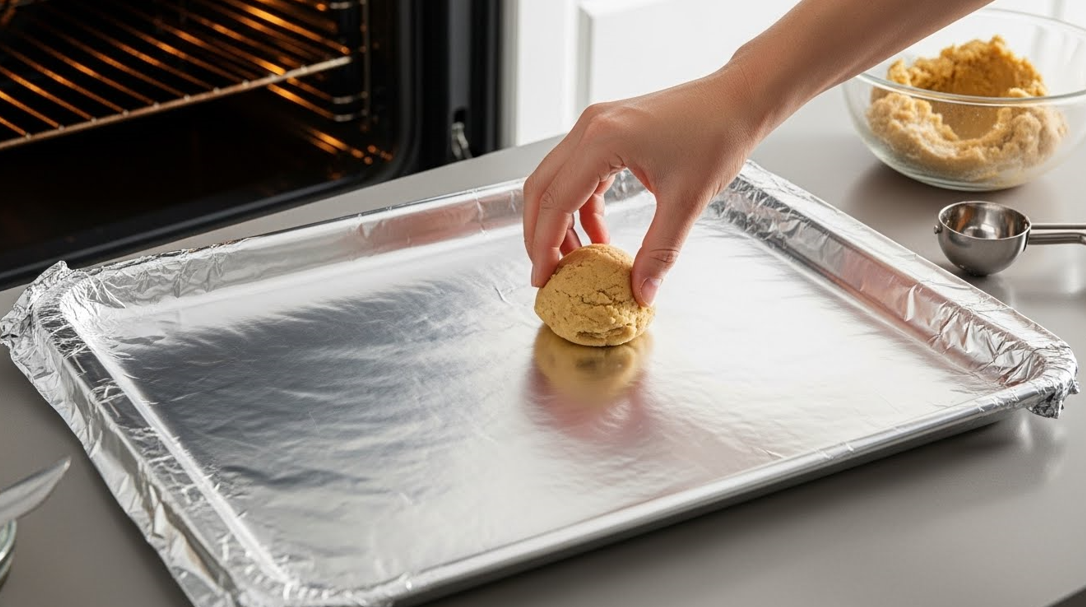
Aluminum foil is a common kitchen staple that can act as a substitute for parchment paper. To prevent sticking, lightly grease the foil with butter or cooking oil. Foil works well for roasting vegetables, baking fish, or lining cake pans. Additionally, its reflective surface can help distribute heat evenly, which can enhance the browning of baked goods.
3. Greasing and Flour Dusting
For many baked goods, a simple combination of greasing and flouring the baking pan can serve as a highly effective alternative. First, coat the pan with butter, shortening, or oil. Then, sprinkle a small amount of flour evenly over the greased surface. Tilt and tap the pan to ensure full coverage and remove any excess flour. This method works particularly well for cakes and bread. For chocolate-based recipes, cocoa powder can replace flour to avoid leaving a white residue on the baked product.
4. Wax Paper
Wax paper is often confused with parchment paper but is primarily intended for food preparation rather than baking. It can be used for rolling out dough, separating layers of baked goods, or wrapping items. However, it should never be used in the oven, as the wax coating can melt or ignite. While wax paper is not a direct replacement for parchment paper in baking, it remains a helpful tool for other kitchen tasks.
5. Paper Bags
Brown paper bags can serve as an emergency substitute for certain baking tasks. Make sure the bag is unprinted and free of inks or dyes. Lightly grease the surface before use to prevent sticking. Paper bags can be used for moderate-temperature baking or roasting but require caution to avoid burning. They are a practical solution when no other alternatives are available.
6. Non-Stick Sprays and Oils
Non-stick sprays, cooking oils, or butter can also replace parchment paper in many scenarios. Spraying a pan lightly or applying a thin layer of fat can prevent sticking for most baked goods. This method is particularly useful for cookies, bread, and cakes. It may not provide the same easy cleanup as parchment paper, but it remains effective in preventing food from adhering to pans.
7. Reusable Baking Sheets
Some bakers prefer reusable baking sheets made from materials like silicone or coated metals. These sheets provide a smooth surface for baking without the need for parchment paper. They are durable, heat-resistant, and easy to clean, making them a long-term investment for regular bakers.
Safety and Practical Considerations
When using substitutes for parchment paper, safety is a key consideration. Heat resistance varies between alternatives, so it is important to match the substitute to the oven temperature required by the recipe. Wax paper, for example, should never be placed in the oven, while paper bags must be monitored to prevent burning.
Some alternatives may also affect the texture or appearance of baked goods. Aluminum foil can create uneven browning if not properly greased, while greased pans may slightly alter the surface of cakes or cookies. Testing substitutes with simpler recipes before attempting complex dishes can help ensure consistent results.
Benefits of Knowing Parchment Paper Alternatives
Being familiar with substitutes for parchment paper provides several advantages. It reduces reliance on a single product, ensuring baking can continue without interruption. Some alternatives, like silicone mats or reusable sheets, are eco-friendly and reduce waste. Additionally, experimenting with different options can improve flexibility in the kitchen and even inspire new baking techniques.
For example, roasting vegetables on foil may yield slightly different textures than parchment paper, while greasing and flouring a cake pan can create a traditional, lightly crisp crust. Understanding these differences allows bakers to choose the best method for each recipe.
Conclusion: Baking Success Without Parchment Paper
Running out of parchment paper does not need to stop you from baking. From silicone mats and greased pans to aluminum foil and non-stick sprays, there are several reliable alternatives that can maintain the quality of your baked goods. Each substitute has its own advantages, and choosing the right one depends on the recipe and desired outcome.
We provide high-quality baking essentials that make your kitchen experience seamless and enjoyable. Whether you are looking for parchment paper, silicone mats, or other baking tools, our products are designed to help every home baker achieve perfect results with ease. Explore our range today and ensure your baking never has to wait.
 English
 French
 Spanish
 German
 Italian
 Portuguese