Why Butchers Prefer Paper Over Plastic for Meat Wrapping
Published on: 2025-12-24
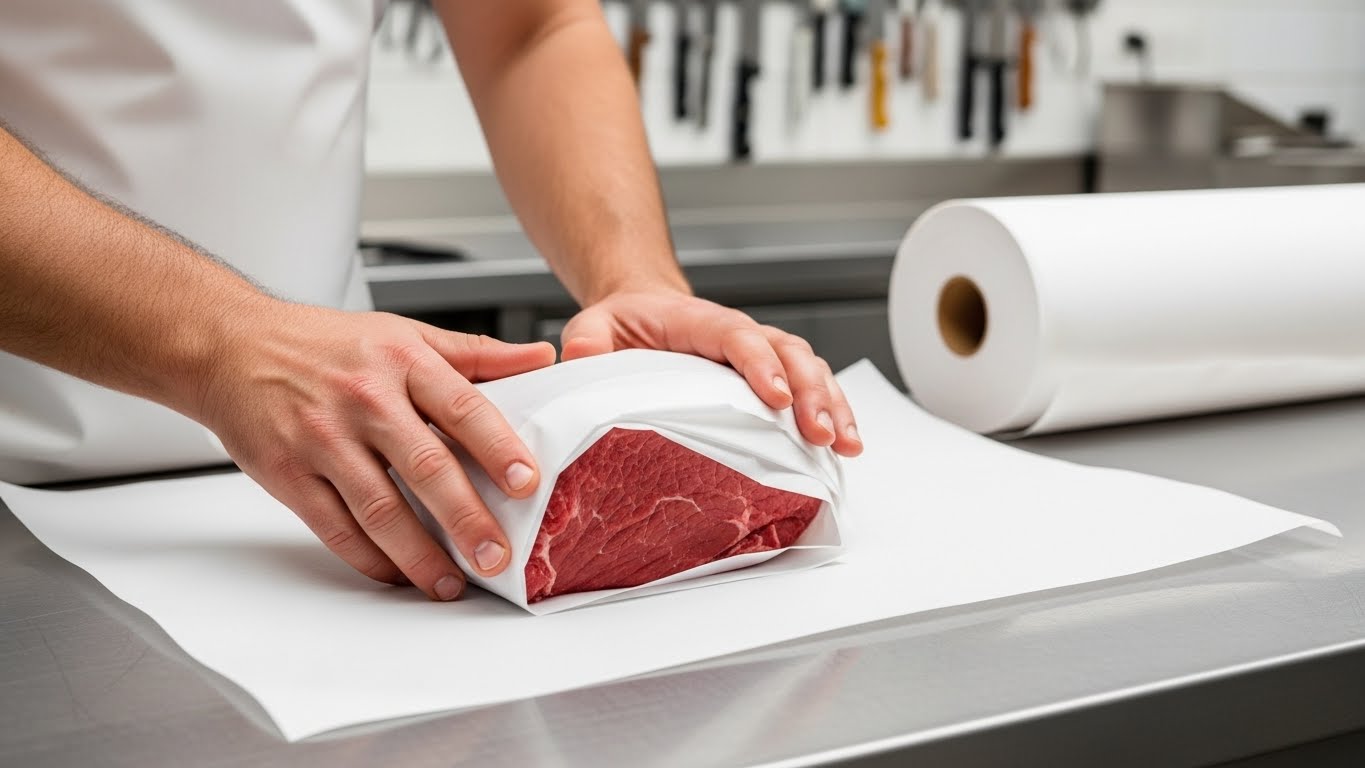
Butchering paper has traditionally been the wrapper of choice for meat professionals - and for good reason. This water-resistant kraft paper, typically white or reddish in color, has been used by butchers and fishmongers for generations to wrap fresh cuts and preserve quality.
Butcher paper offers several advantages that plastic simply cannot match. Generally available in large formats and with a density between 30-50 lb/3000 sq ft, it provides versatility that extends beyond meat wrapping. Additionally, this practical material has found uses in other industries, with moving companies utilizing butcher paper to pack fragile items like china and glassware for safe transport at minimal cost. In this article, we'll explore why many meat professionals still prefer paper over plastic, the environmental benefits of this choice, and how different types of butcher paper serve various needs in the industry.
The problems with plastic in meat wrapping
Plastic wrapping creates numerous challenges for meat preservation that traditional butchering paper avoids. From quality issues to environmental impact, the drawbacks of plastic meat packaging deserve careful examination.
Traps moisture and causes spoilage
When meat is sealed in plastic, the material creates an airtight environment that prevents proper air circulation. This often leads to moisture accumulation, which becomes a breeding ground for harmful bacteria. Microorganisms inside sealed packages release gasses as they multiply, creating pressure that causes the plastic wrapping to inflate or bulge. This bloating signals that bacteria have begun to grow, potentially including dangerous pathogens like Clostridium, Salmonella, and Listeria.
Furthermore, meat has a naturally high water activity (aw > 0.95), making it highly perishable and susceptible to microbial contamination. In vacuum-sealed plastic packages, the vacuum effect actually extracts juices from the meat, causing them to accumulate in the package. This excess moisture can accelerate spoilage, especially when packages are damaged or improperly sealed.
Environmental concerns with plastic waste
The environmental impact of plastic meat packaging is significant. Consequently, the United Nations has declared plastic pollution of oceans a "planetary crisis". Of the massive volume of plastic produced annually which increased by nearly 230% to reach 460 million tons in 2019 only 9% gets recycled. The remaining plastic ends up in landfills (50%) or becomes environmental litter.
Once discarded, plastic packaging takes up to 500 years to break down. However, it never truly disappears instead breaking into microplastics that contaminate soil, water, and eventually enter the food chain. These microplastics carry toxic chemicals like PCBs and pesticides, posing threats to wildlife and potentially humans.
Consumer perception of plastic-wrapped meat
Shoppers increasingly view plastic-wrapped meat with skepticism. Notably, consumers find free liquid inside packages unattractive, often perceiving excess moisture as a sign of poor quality or spoilage. Though seeing the product is important which explains why transparent packaging is common visible juices pooling around meat can reduce consumer appeal and confidence.
Additionally, liquid lost through plastic packaging affects the texture and juiciness of meat, potentially reducing consumer satisfaction with the final product. In contrast, butcher paper allows meat to breathe while maintaining appropriate moisture levels, preserving both quality and appearance.
Benefits of using butcher paper instead
The superiority of butcher paper over plastic for meat wrapping stems from several key advantages that benefit both the product and the environment. Professional butchers have long recognized these benefits, making butchering paper the preferred choice for quality meat preservation.
Allows meat to breathe
First and foremost, butcher paper permits proper air circulation. This breathable quality prevents meat from becoming slimy or losing its natural texture, which is particularly crucial for dry-aging beef, barbecue meats, and fresh-cut steaks. Unlike plastic wrap that creates a sealed environment, butcher paper allows the meat to "breathe" while still providing protection. This balance ensures meats stay juicy inside while preserving that sought-after dry, crispy exterior on smoked products. For barbecue enthusiasts, this breathability allows smoke to penetrate the meat during cooking, enhancing flavor while regulating moisture. The paper's porous nature also prevents the excessive steam buildup that can lead to soggy texture.
Reduces bacterial growth
Moreover, the breathable structure of butcher paper actively helps prevent bacterial proliferation. By allowing air transmission, it stops excessive moisture formation that would otherwise degrade meat quality. The paper creates an effective barrier between meat and environmental threats while still permitting enough airflow to prevent condensation from accumulating. This balanced environment makes it difficult for bacteria to multiply, unlike in plastic packaging where trapped moisture creates ideal breeding conditions for microorganisms.
Enhances presentation and appeal
Beyond functionality, butcher paper significantly improves presentation. It holds in grease without seeping through while retaining the visual appeal of freshly prepared meats. Many premium butchers prefer the clean, rustic esthetic that butcher paper provides, adding a touch of authenticity and craftsmanship to their products. This traditional presentation creates positive customer perceptions about product quality and freshness compared to plastic-wrapped alternatives.
Easier to recycle and dispose
Finally, butcher paper offers superior environmental credentials. Many varieties are made from unbleached kraft paper free of harmful chemicals. These papers typically break down naturally after use, making them significantly more eco-friendly than plastic options. For businesses concerned about environmental impact, butcher paper provides a compostable alternative that degrades naturally in compost systems. When free of food residue, many types are fully recyclable, although heavily soiled paper should be composted rather than recycled.
Types of butcher paper used by professionals
Professional butchers select from several specialized types of butchering paper, each designed for specific applications in meat preparation, storage, and presentation.
White butcher paper
White butcher paper stands as the most common variety in professional settings. This uncoated, FDA-approved paper works perfectly for wrapping sandwiches, deli meats, and various food items. Its clean appearance makes it ideal for delis, bakeries, and prep lines where presentation matters. Clean and versatile, white butcher paper allows meat to breathe during smoking processes, permitting smoke to penetrate without trapping moisture that would otherwise soften the exterior. Primarily used for same-day applications, this paper typically comes in various weights from 40-50 lb.
Brown butcher paper
Brown butcher paper, often called kraft butcher paper due to its natural color, offers a rustic, authentic esthetic that many establishments prefer. Essentially the most cost-effective solution, it undergoes less processing than its white counterpart. This paper excels at wrapping fresh foods while preventing contamination and leakage. Many barbecue enthusiasts prefer brown butcher paper since it allows smoke to efficiently cook meat while maintaining appropriate moisture levels.
Peach-treated butcher paper
Peach-treated butcher paper features a distinctive pink/peach hue ranging from light tan to dark pink. Undeniably superior for raw meat preservation, this premium paper contains a sizing agent that helps maintain the meat's fresh appearance and bright red color. This treatment strengthens the paper's wet resistance, preventing juice leakage over extended periods. The peach coloration serves an esthetic purpose too – effectively masking blood or juices from raw meats that would otherwise appear unappealing.
Waxed vs unwaxed options
Regarding waxed versus unwaxed options, professionals overwhelmingly choose unwaxed paper for meat preparation. Unwaxed butcher paper allows meat to "breathe" while speeding cooking time and maintaining a firm exterior texture. Conversely, waxed or polyethylene-coated papers trap steam similarly to aluminum foil, destroying the desirable crust on meats. Furthermore, these coatings might cook into the meat's surface. Accordingly, if only coated paper is available, professionals recommend using aluminum foil instead, as they function similarly.
How butcher paper supports sustainable practices
Environmental consciousness now drives many decisions in the meat industry, with sustainable packaging becoming increasingly important. Butchering paper offers substantial environmental advantages beyond its practical benefits for meat preservation.
Lower carbon footprint
The environmental impact of packaging begins with manufacturing processes. Unbleached butcher paper made from kraft pulp offers remarkable sustainability benefits, projected to capture 52.3% of the butcher paper market by 2025. This shift reflects the growing demand for natural, recyclable packaging in response to consumer preferences. Kraft pulp comes from renewable softwood forests, creating a significantly smaller ecological footprint compared to petroleum-based alternatives. Despite some paper manufacturing challenges, butcher paper remains more environmentally responsible throughout its lifecycle than plastic wrapping, which can persist for centuries.
Compostable and recyclable
One of butchering paper's greatest environmental strengths lies in its end-of-life options. Many varieties are fully recyclable and biodegradable, making them superior to plastic-coated alternatives. Standard butcher paper breaks down naturally, returning to earth much more quickly than plastic packaging. Nevertheless, it's worth noting that waxed butcher paper cannot be recycled and may contaminate paper recycling batches. When selecting butcher paper, professionals should consider whether biodegradability or recyclability better suits their waste management systems.
Preferred in eco-conscious markets
Market trends clearly demonstrate growing consumer preference for sustainable packaging. Approximately 82% of consumers express willingness to pay premium prices for products with compostable packaging. Butcher paper carries positive associations customers connect pink or white butcher paper with quality, cleanliness, and trustworthiness. Businesses increasingly recognize this environmental advantage as a marketing opportunity. By highlighting sustainable packaging choices, companies can enhance brand reputation and attract environmentally conscious customers seeking responsible alternatives to plastic-wrapped products.
Conclusion
Butcher paper stands as the superior choice for meat wrapping, offering undeniable advantages over plastic alternatives. While plastic packaging creates moisture traps that accelerate spoilage, butcher paper allows meat to breathe naturally, therefore maintaining quality and extending shelf life. Additionally, the traditional esthetic of paper-wrapped meat creates positive impressions among consumers who increasingly seek authentic, quality products.
Beyond practical benefits, environmental considerations certainly make a compelling case for paper. Plastic waste continues to devastate ecosystems worldwide, whereas most butcher paper options break down naturally without harmful residues. This sustainability factor, coupled with functionality, explains why professional butchers have relied on paper for generations.
Different varieties serve specific purposes - white paper works best for general wrapping and same-day use, brown kraft paper offers cost-effective solutions for smoking meats, and peach-treated paper excels at preserving raw meat's appearance. Unwaxed options specifically allow proper air circulation, unlike their waxed counterparts that trap moisture similarly to plastic.
Butcher paper ultimately represents a return to proven methods that benefit everyone - butchers gain superior preservation qualities, customers receive better products with appealing presentation, and our planet suffers less from non-biodegradable waste. As consumers grow increasingly concerned about both product quality and environmental impact, the humble butcher paper continues to prove its enduring value in the meat industry.
 English
 French
 Spanish
 German
 Italian
 Portuguese