Smart Baking Solutions That Work When Butter Paper Is Not Available
Published on: 2025-12-26
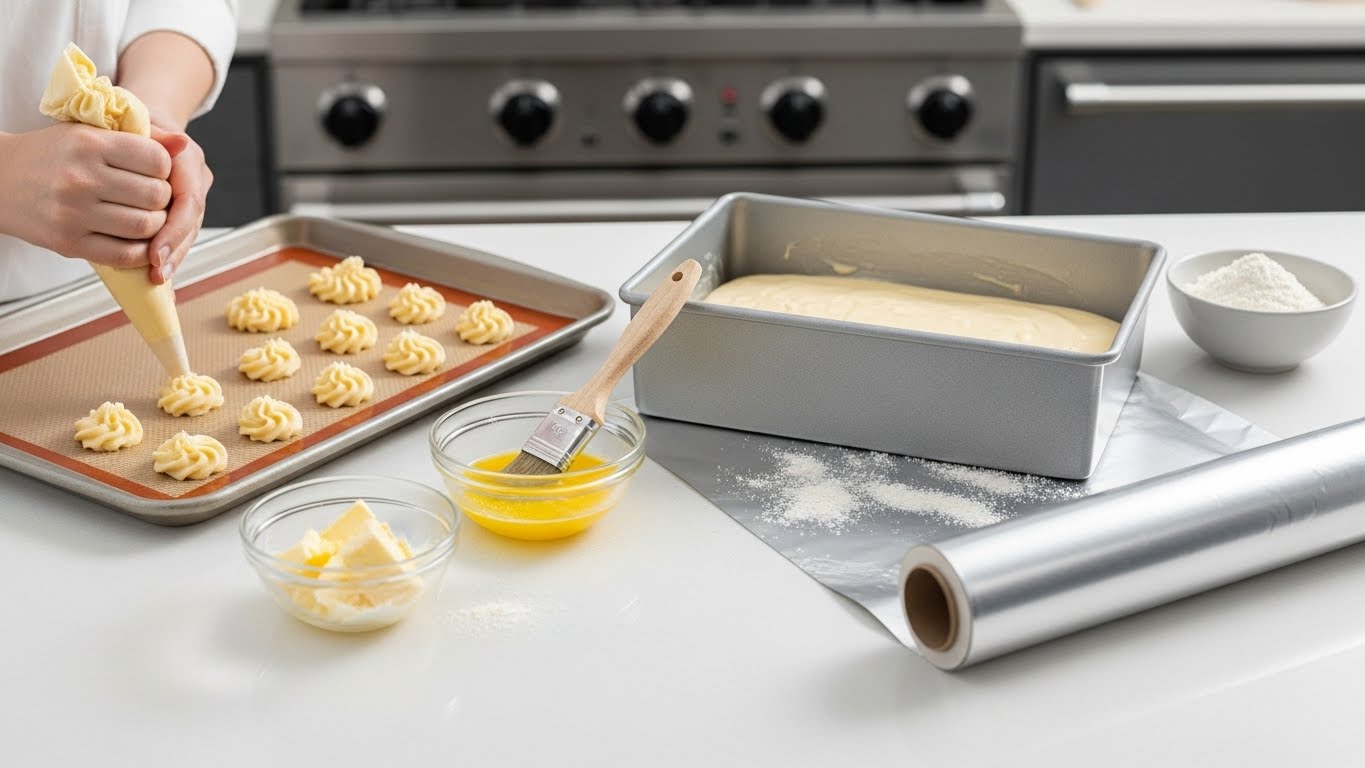
Ever found yourself mid-recipe only to discover you're out of butter paper? I've been there too. Butter paper substitute options are actually more effective for baking because the traditional butter paper contains a wax coating that can melt or catch fire in the oven.
Fortunately, professional bakers have been using alternatives like parchment paper for ages. Parchment paper, unlike butter paper, is coated with silicone, making it non-stick and heat-resistant up to 425 degrees. Another excellent option is silicone baking mats, which are durable, non-stick, and can withstand high oven temperatures. In this article, I'll share the top five professional alternatives to butter paper, when to use each one, and how to get the best results from these substitutes.
Why Butter Paper Isn’t Ideal for Baking
Many people confuse butter paper with parchment paper, but they are distinctly different products. Butter paper, also known as waxed paper in some regions, comes with several limitations that make it problematic for many baking applications. Let's explore why professional bakers typically avoid using it.
Not heat-resistant
The primary reason butter paper falls short in the oven is its poor heat resistance. While parchment paper can withstand temperatures up to 425°F, butter paper begins to smoke at much lower temperatures. This happens because butter paper contains a wax coating that melts under heat, potentially causing smoke in your oven or even catching fire during longer baking sessions. The melting wax creates a safety hazard that professional bakers simply cannot risk in commercial kitchens.
Can affect food flavor
Furthermore, the wax coating on butter paper can transfer to your food when exposed to heat. This transfer isn't just a texture issue it can noticeably alter the flavor profile of delicate baked goods. For pastries where subtle flavors matter, such as shortbread or vanilla-based cookies, this waxy flavor can be particularly noticeable. Professional bakers prioritize maintaining the integrity of their carefully developed recipes, so they opt for alternatives that won't introduce unwanted flavors.
Lacks moisture retention
Additionally, butter paper fails to provide adequate moisture retention during the baking process. Unlike silicone-coated parchment paper that helps lock in moisture while allowing proper air circulation, butter paper doesn't create the optimal environment for even baking. This limitation becomes especially problematic with items that benefit from steam retention, such as certain breads and pastries. The difference in moisture control can significantly impact the texture and rise of your baked goods.
Tears easily under heat
Lastly, butter paper's structural integrity diminishes drastically when exposed to heat. The wax coating that makes it initially water-resistant becomes its downfall in the oven as it melts, leaving the paper base vulnerable. This weakness leads to tearing and disintegration during the baking process, potentially resulting in paper fragments becoming embedded in your food. Professional bakers need reliable materials that maintain their form throughout the entire baking cycle something butter paper simply cannot guarantee.
Given these significant drawbacks, it's no wonder that professional bakers consistently reach for better alternatives. The right butter paper substitute can make the difference between amateur results and professional-quality baked goods. In the following section, I'll cover the top alternatives that professional bakers actually use instead.
Top 5 Butter Paper Substitutes Professional Bakers Use
Professional bakers rely on several proven alternatives to butter paper for their daily baking needs. These substitutes offer better heat resistance, improved non-stick properties, and greater versatility for various cooking applications.
1. Parchment Paper: The go-to choice
Parchment paper stands as the preferred replacement in professional kitchens. Unlike butter paper, it's treated with silicone, making it both grease and moisture-resistant. This specialized paper can withstand temperatures up to 450°F, making it ideal for most baking projects. Renowned chef Ronna Welsh, author of The Nimble Cook, confirms, "I use parchment 100 percent of the time when I cook, even in instances where wax paper would suffice". Parchment excels when lining cake pans, creating a soft lid for reducing sauces, or blind baking pie crusts.
2. Silicone Baking Mats: Reusable and reliable
Silicone baking mats offer an eco-friendly alternative to disposable options. Popular brands like Silpat feature food-grade, fiberglass-reinforced silicone technology that can withstand temperatures between 480°F and 500°F. Moreover, these mats can be reused for over 2,000 baking cycles, providing substantial cost savings over time. Despite their higher initial cost (approximately $20 compared to $5 for parchment paper), they ultimately save money given their extended lifespan.
3. Aluminum Foil with Oil: A quick fix
For higher temperature baking, aluminum foil with a light coating of oil serves as an effective solution. Foil can withstand extremely high temperatures up to 1,220°F. Nevertheless, this option comes with certain tradeoffs - cookies baked on foil tend to develop darker, crispier edges compared to those baked on parchment. Consequently, foil works particularly well for foods where caramelization is desirable, such as roasted vegetables.
4. Greased Baking Sheets: Old-school but effective
Sometimes the simplest solutions work best. A generously greased baking sheet offers a quick substitute when other options aren't available. For optimal results, use butter or oil applied evenly across the surface. Remember that this method will subtly impact your baked goods, often resulting in slightly darker bottoms on cookies or pastries. The primary drawback? You'll need to scrub your baking sheets more thoroughly afterward.
5. Wax Paper: Only for cold or room-temp uses
Wax paper should never replace butter paper for hot applications since its paraffin coating melts around 120°F. Despite this limitation, wax paper excels for room-temperature tasks. It creates an excellent surface for rolling out dough, sifting dry ingredients, or wrapping food for refrigerator storage. First of all, it's less likely to crinkle or shrink compared to plastic wrap when pounding meat. Save this option for non-heated food preparation and storage.
When to Use Each Substitute
Knowing exactly which butter paper substitute to use for different culinary tasks can elevate your baking results from good to professional. Each alternative has specific strengths that make it ideal for particular applications.
For cookies and pastries
Parchment paper shines as the optimal choice for cookies and pastries, withstanding temperatures up to 425°F. Professional bakers prefer silicone baking mats specifically for cookies, as these mats distribute heat evenly across the surface. These mats can endure temperatures between 480°F and 500°F, making them perfect for high-heat pastry applications. If you're without either option, a properly greased and flour-dusted baking sheet works effectively for most cookies, although the bottoms might brown slightly more than with other methods.
For roasting vegetables
When roasting vegetables, aluminum foil provides excellent results due to its ability to withstand extreme temperatures up to 1,220°F. The reflective surface of foil helps distribute heat evenly, enhancing caramelization for deeper flavors. Alternatively, parchment paper creates less browning yet excellent moisture retention, helping vegetables stay tender inside. For vegetables that benefit from steaming, parchment paper pouches lock in moisture perfectly.
For wrapping and storing food
Wax paper excels in food storage applications, remaining moisture-resistant without heating. It's ideal for wrapping sandwiches, cheeses, and baked goods. The breathability of wax paper prevents cheeses and breads from becoming soggy. For freezer storage, aluminum foil provides superior protection against freezer burn, effectively sealing in flavors.
For candy-making and chocolate work
Wax paper remains the candy maker's preferred surface for working with chocolate and sugary confections. Its non-stick properties ensure candies lift off easily without breaking or sticking. Unlike parchment paper, wax paper creates a perfectly smooth surface for pouring fudge or caramel. Remember that wax paper should strictly remain for room-temperature candy work, never for baking as it can smoke or ignite.
Tips for Best Results with Substitutes
Success with butter paper substitutes relies as much on proper technique as on choosing the right alternative. Making small adjustments in how you handle these materials can dramatically improve your baking results.
How to grease pans properly
First of all, ensure your pan is clean and completely dry before applying any grease. For the classic butter-and-flour method, rub a thin layer of solid fat (butter or coconut oil) evenly across the entire surface, including corners. Then sprinkle flour and rotate the pan until all greased surfaces are lightly coated, tapping out excess. For intricate molds, use a pastry brush to reach all crevices.
Storage tips for silicone mats and parchment
Store silicone mats by rolling them up never folding, which damages the coating. Place each rolled mat inside an empty parchment paper box for dust-free, organized storage. Alternatively, roll mats in clean tea towels and store upright in a metal file organizer. For parchment paper, store in cool, dry places to maintain its non-stick properties.
Avoiding common mistakes with foil and wax paper
Never line your oven bottom with aluminum foil it causes heat damage. Avoid using wax paper for baking as it melts at just 120°F, potentially transferring wax to food. Remember that parchment absorbs moisture, making it unsuitable for refrigerated storage.
Cost-effective choices for frequent bakers
Silicone baking mats offer substantial long-term savings despite higher initial investment. One silicone mat replaces hundreds of disposable sheets, making it ideal for those who bake regularly.
Conclusion
Finding yourself without butter paper no longer needs to halt your baking projects. After examining the alternatives professional bakers rely on, we now understand why butter paper actually falls short for most baking applications due to its wax coating and poor heat resistance.
Parchment paper undoubtedly stands as the most versatile replacement, handling temperatures up to 450°F while providing that crucial non-stick surface we all need. Silicone baking mats offer another excellent option, especially for frequent bakers who want a reusable solution that pays for itself over time.
You might already have aluminum foil in your kitchen drawer - paired with a light oil coating, it works perfectly for high-heat roasting. Traditional greasing methods still have their place too, particularly when you're in a pinch. Meanwhile, wax paper serves best for cold applications like candy making or food storage rather than actual baking.
The right substitute depends largely on what you're making. Cookies benefit from parchment or silicone mats, while roasted vegetables might do better with foil. Proper technique matters just as much as your material choice. Storing silicone mats properly ensures their longevity, while knowing exactly when not to use wax paper prevents cooking disasters.
Next time your recipe calls for butter paper, remember these professional alternatives instead. Your baked goods will thank you with better results - no sticking, proper browning, and consistent outcomes. The professional baker's secret isn't just having the right ingredients but also using the right tools for each specific baking task.
 English
 French
 Spanish
 German
 Italian
 Portuguese