Keep Food Fresh & Presentable with Professional Greaseproof Wrap
Published on: 2026-01-07
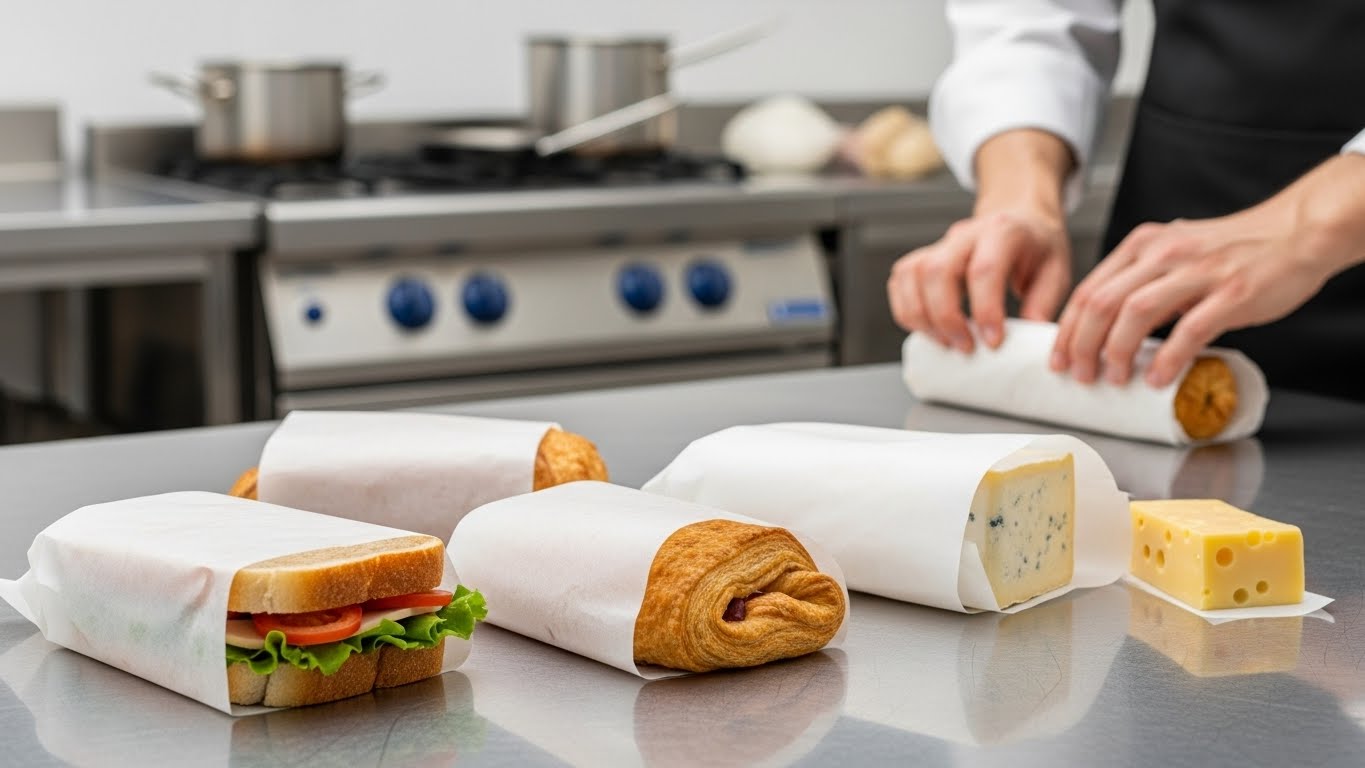
Food wrapping paper plays a crucial role in our everyday kitchen routines, yet many of us don't give it much thought until we're faced with soggy sandwiches or dried-out leftovers. When I started taking my home cooking more seriously, I quickly realized that choosing the right wrapping materials makes a significant difference in food quality and storage life.
In fact, different types of food wrapping paper serve unique purposes. For instance, wax paper is treated with wax to create a smooth surface that prevents food from sticking to it. This quality helps keep moist foods juicy while also protecting dry-wrapped foods from unwanted moisture. Additionally, there are variations like dry wax paper (made from bleached kraft paper) and wet wax paper (excellent for refrigerated food products such as sandwiches and vegetables). Finding the best food wrapping paper for your specific needs depends on what you're storing and how you plan to use it.
In this guide, we'll explore common food storage challenges, how different wrapping papers can solve these problems, safety tips every home cook should know, and how to choose the right options for your kitchen. Whether you're wrapping sandwiches for lunch or storing leftovers, understanding these basics will help you keep your food fresher, longer.
Common Food Storage Challenges at Home
Every home cook encounters storage challenges that can affect food quality and safety. Understanding these common problems is the first step toward finding the right solutions, including selecting the best food wrapping paper for different situations.
Keeping food fresh
Food quality deteriorates during storage due to four primary factors: oxygen, moisture, bacteria, and time. When food sits out too long or gets stored improperly, these factors accelerate the breakdown process, leading to wilted greens, sour milk, or moldy fruits. The nutritive value and appearance of food can deteriorate to a level where it becomes unappetizing or nutritionally unreliable.
Proper storage containers are essential for freshness. Airtight containers significantly slow down oxidation and moisture loss, keeping food from drying out or absorbing unwanted odors. Rather than using any container, look for those with tight-fitting lids or proper seals. Glass containers offer advantages over plastic since they don't leach chemicals and can handle temperature changes.
Preventing leaks and spills
Leaks and spills not only create messes but can lead to dangerous cross-contamination. Storing raw meats above ready-to-eat foods, for example, allows juices to drip down and potentially cause food poisoning. Furthermore, leaky containers can transfer bacteria between foods.
To prevent these issues:
- Store raw foods separate from cooked foods
- Place meats on the lowest shelf of the refrigerator
- Use containers with leak-proof designs
- Organize food storage with foods requiring less cooking at the top
Silicone airtight containers particularly excel at preventing leaks thanks to their tight seals, which protect against bacteria while maintaining freshness.
Avoiding flavor transfer
Perhaps the most overlooked storage challenge is flavor transfer when foods absorb odors or tastes from other foods stored nearby. Anyone who has ever tasted fruit that was stored next to onions understands this problem.
Ethylene gas, naturally released by some fruits like apples and bananas, accelerates ripening in nearby produce. This can cause vegetables to spoil prematurely. To prevent flavor transfer:
- Store fruits separately from vegetables
- Use airtight, moisture-proof packaging to prevent odor transfer
- Keep strongly aromatic foods like onions, peppers, and herbs away from other items
- Maintain a clean refrigerator, as odors can become trapped in walls and flooring
The right food wrapping paper can create an effective barrier against unwanted flavor migration, helping maintain the intended taste of your carefully prepared dishes.
How Different Wrapping Papers Solve These Problems
Understanding the unique properties of different food wrapping papers is key to solving common kitchen storage challenges. Each type offers specific benefits that address various preservation needs in the home kitchen.
Moisture resistance of wax paper
Wax paper features a coating of paraffin wax that creates a non-stick surface with impressive moisture-resistant properties. This specialized coating prevents liquid transfers in either direction, effectively keeping moist foods juicy while protecting dry-wrapped foods from unwanted moisture exposure. The wax barrier helps regulate humidity around packaged foods, preventing premature drying, sogginess, or staling.
Notably, there are two main varieties: dry wax paper and wet wax paper. Dry wax paper offers moderate moisture and grease resistance while allowing food to "breathe," which helps maintain freshness longer. Wet wax paper, conversely, provides excellent moisture and grease resistance with its glossy, slightly sticky surface that excels at preventing liquid penetration. This makes it ideal for wrapping refrigerated items like sandwiches, vegetables, and various meat products.
Heat resistance of parchment paper
Unlike wax paper, parchment paper is treated with silicone rather than wax, giving it remarkable heat-resistant properties. Standard parchment paper can withstand temperatures between 420°F and 450°F, making it the superior choice for baking and cooking applications. Some premium silicone-coated varieties can occasionally tolerate up to 500°F for brief periods.
The silicone coating creates a non-stick surface that prevents food from adhering to baking sheets and pans, allowing for easy cleanup and more consistent results. However, despite its heat resistance, parchment paper is not flame-retardant and should never come in contact with direct flames or heating elements.
Barrier protection of foil and plastic wrap
Aluminum foil offers exceptional barrier protection with an oxygen transfer rate (OTR) of 0, making it the most effective option for completely sealing out air, moisture, light, and flavor transfer. This total barrier protection helps extend shelf life by blocking UV rays that can degrade food quality. Foil also excels at heat conductivity and retention, keeping food warm during transport or serving.
Plastic films with high-barrier properties provide varying levels of protection based on their composition. These films create protective barriers that increase product shelf life and maintain freshness by controlling oxygen exposure, moisture levels, and preventing flavor migration between foods.
Safety and Storage Tips for Home Cooks
Knowing which wrapping papers to use safely can prevent kitchen disasters. I've learned through experience that understanding the right application for each type is essential for both food safety and quality preservation.
Which papers are microwave-safe
Food wrap paper specifically designed for microwave use is your safest bet for heating foods. This specialized paper is non-toxic, heat-resistant, and won't release harmful chemicals when heated. Parchment paper works excellently in microwaves because of its silicone coating. According to industry standards, wax paper is also microwave-safe but should only be used at low to medium temperatures and for short heating periods.
Avoiding wax paper in the oven
Never use wax paper in ovens, toaster ovens, convection ovens, air fryers, or near open flames. The wax coating begins to melt at approximately 200°F (93°C), creating potentially harmful fumes. Instead, use parchment paper, which remains stable at temperatures up to 420°F (215°C). If you accidentally use wax paper and it melts onto food, it's safer to discard the food entirely.
Proper wrapping techniques for freshness
For optimal freezer storage:
- Center food on freezer paper with the shiny side facing the food
- Fold sides over by ½-1 inch, creasing until snug against the food
- Flip the package over and press outward to remove air
- Fold ends into triangles and seal with freezer tape
Labeling and organizing wrapped food
Masking tape with a permanent marker creates simple, removable labels that won't leave residue on containers. Write both the contents and "best by" date to track freshness effectively. Alternatively, laminated reusable labels with wet-erase markers offer an eco-friendly solution.
Choosing the Best Food Wrapping Paper for Your Needs
Selecting the right food wrapping paper comes down to understanding your specific needs and priorities. After exploring different types and safety considerations, let's examine how to choose the best option for your kitchen.
Consider your cooking habits
Match your food wrapping paper to your cooking style and food storage patterns. Waxed paper works well for moisture-resistant applications like wrapping sandwiches and cookies, though it's unsuitable for oven use. For baking enthusiasts, parchment paper with its silicone coating offers heat resistance and non-stick properties. Moreover, if you regularly store raw meats or seafood, butcher paper provides the breathability needed to maintain texture while absorbing excess juices.
Look for multi-use options
Versatility should be a key factor when purchasing food wrap. Essentially, consider if your chosen paper can handle multiple tasks such as freezing, baking, and reheating. Foil stands out as exceptionally versatile it's heat-resistant, durable, and ideal for both wrapping and cooking. Alternatively, parchment paper serves double duty for both food storage and as a non-stick baking surface.
Eco-friendly vs disposable choices
The "3Rs" Reduce, Reuse, and Recycle should guide sustainable packaging choices. Many consumers initially prioritize price and convenience over environmental considerations, yet eco-conscious options are increasingly available. Biodegradable papers made from sustainable materials can be recycled or even composted, creating less waste than traditional plastic or foil alternatives. OGR (oil and grease-resistant paper) and biodegradable parchment offer excellent eco-friendly alternatives.
Budget-friendly picks for home use
Cost-effective wrapping solutions don't require sacrificing quality. Eco-friendly papers are often more affordable because they're made from recycled materials. In focus groups, most participants were unwilling to pay premium prices for sustainable packaging, expecting companies to absorb these costs. Ultimately, look for bulk options of basic parchment or wax paper for everyday use to maximize value while meeting your storage needs.
Conclusion
Choosing the right food wrapping paper might seem like a small detail, but as we've seen throughout this guide, it makes a significant difference in food quality, safety, and storage life. After all, the perfect wrap can solve many common kitchen challenges while keeping our food fresher longer.
Most importantly, understanding the specific properties of each wrapping material helps us make better choices. Wax paper excels at moisture resistance for sandwiches and snacks, whereas parchment paper stands out for heat resistance during baking. Meanwhile, foil and plastic wrap provide superior barrier protection against air, light, and unwanted flavor transfer.
Safety considerations should certainly guide our decisions too. We should always remember that wax paper and high heat don't mix well, while parchment paper offers a safer alternative for oven use. Additionally, proper wrapping techniques and organized labeling systems help maximize food freshness and reduce waste.
The best wrapping paper for your kitchen ultimately depends on your specific cooking habits, budget constraints, and environmental values. Therefore, experimenting with different options will help you find what works best for your particular needs.
My kitchen now contains a thoughtful selection of wrapping papers for different purposes rather than just one default option. This small change has reduced food waste, improved storage quality, and made meal prep more efficient. Your perfect combination might look different from mine, but the principles remain the same – match the right paper to the right food for the best results.
 English
 French
 Spanish
 German
 Italian
 Portuguese