How Professional Bakers Use Parchment Cooking Paper Daily
Published on: 2025-12-24
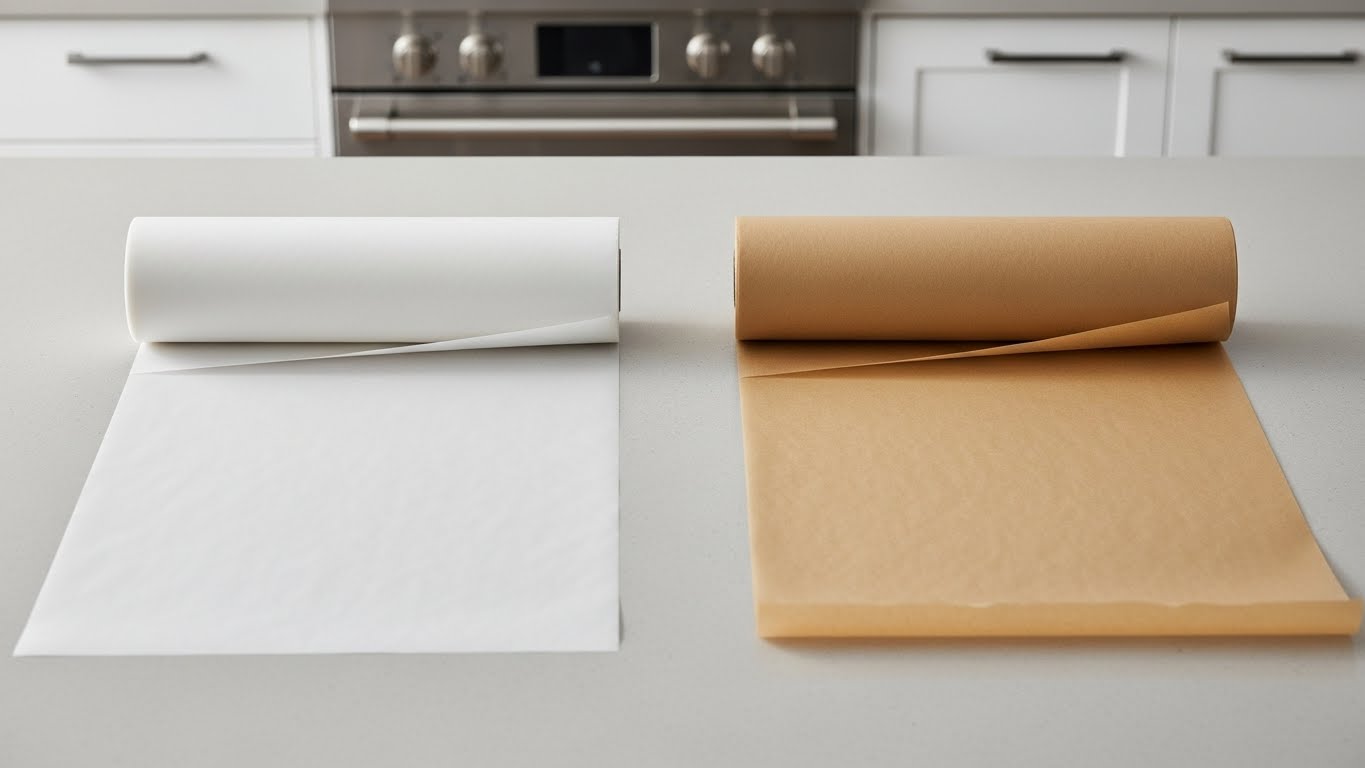
Wax paper might be a kitchen staple for wrapping cookies and preventing microwave splatters, but professional bakers know there's a significant difference between it and parchment paper. Although wax paper works well for food storage and keeping moisture in or out, it will smoke if used in the oven. As a professional baker, I've learned that choosing the right paper is crucial for successful baking results.
When I'm preparing recipes that require oven heat, parchment paper is always my go-to option. Unlike wax paper, parchment paper withstands high temperatures without smoking or affecting the flavor of baked goods. Furthermore, it offers numerous advantages that make it indispensable in professional bakeries. In this article, we'll explore how professional bakers like myself use parchment paper daily and why it's considered essential equipment in any serious baking operation.
Why Parchment Paper is a Baker’s Best Friend
In professional bakeries, parchment paper serves as an indispensable tool that simplifies countless tasks. As someone who spends hours creating delicate pastries and breads, I've come to rely on this kitchen essential for nearly every baking project.
Non-stick surface for easy release
The primary reason parchment paper has earned its place in professional kitchens is its remarkable non-stick properties. While home bakers might occasionally struggle with cookies stuck to trays or cakes refusing to release from pans, professionals can't afford such mishaps. Parchment paper creates a reliable barrier between baked goods and cooking surfaces, ensuring that even the most delicate items release perfectly.
This non-stick quality comes from the silicone coating applied during manufacturing. Therefore, sticky items like caramels, toffee, and sugar decorations that would otherwise cement themselves to surfaces release cleanly from parchment paper. Moreover, this feature proves especially valuable for items with high sugar content that tend to caramelize and stick during baking.
Even heat distribution
Another crucial benefit that makes parchment paper essential in professional settings is how it promotes even heat distribution. Without it, direct contact between baking sheets and delicate pastries can cause hot spots that lead to uneven baking or burned bottoms.
The thin barrier of parchment paper moderates this direct heat transfer, creating a more controlled baking environment. Consequently, macarons develop perfect feet, cookies bake uniformly, and delicate pastry bottoms achieve that golden hue without burning. For pastry chefs aiming for consistency across dozens or hundreds of identical items, this quality is particularly valuable.
No need for greasing pans
Traditionally, bakers had to generously grease and flour pans a messy, time-consuming process that added extra fat to recipes. Presently, with parchment paper, this step becomes unnecessary.
For professional kitchens where efficiency is paramount, eliminating the greasing step saves valuable time during production. Additionally, it creates cleaner results with no greasy residue on the finished product. Finally, removing the added fat from the greasing process means the baker maintains complete control over the recipe's fat content, resulting in more consistent outcomes.
In comparison to wax paper, which can impart a waxy taste and poses a fire hazard in ovens, parchment paper remains stable and flavor-neutral throughout the baking process.
How Bakers Use Parchment Paper During Prep
Prep work sets the foundation for successful baking, and parchment paper plays a crucial role long before anything enters the oven. From rolling out sticky dough to creating perfectly uniform shapes, this kitchen workhorse saves time and frustration throughout the preparation process.
Rolling out dough without sticking
Rolling dough between two sheets of parchment paper represents one of my favorite prep techniques. Initially, I place the dough on the bottom sheet, cover with a second sheet, then roll freely without worrying about sticking. This method offers several advantages:
- Creates more tender cookies since less additional flour is needed
- Allows for cleaner workspaces with minimal cleanup
- Enables easy transfer of delicate dough directly to baking sheets
In contrast to wax paper, parchment provides the perfect non-stick surface without melting or transferring any flavors to the dough. For delicate pastries like pie crusts, this technique proves invaluable as it maintains the integrity of carefully created layers.
Lining trays for mise en place
Professional kitchens rely on organization, and parchment-lined trays form the backbone of an efficient mise en place system. Prior to beginning complex recipes, I line several sheet pans with parchment to create designated zones for prepped ingredients, portioned doughs, and assembled items awaiting baking.
The non-stick properties of parchment make it ideal for sticky preparations like caramel or chocolate work. Subsequently, the same lined trays can move straight into the oven without transferring contents, reducing handling and potential damage to delicate items.
Piping templates for macarons and meringues
Achieving consistency across dozens of meringues or macarons requires precision that parchment paper templates provide. I typically place printed circle guides underneath my parchment sheets before piping, ensuring uniform sizes. After piping, the template slides out easily while leaving the shaped batter undisturbed on the parchment.
Some bakers even use pre-printed parchment sheets with macaron templates in multiple sizes. These templates remain visible through the parchment while allowing bakers to pipe meringues extremely close together without spreading. Such attention to detail distinguishes professional results from amateur attempts.
In the Oven: Baking with Parchment Paper
Once the prep work is complete, parchment paper continues to prove its worth as baked goods move into the oven. The heat-resistant properties of parchment make it indispensable for various baking techniques that wax paper simply cannot handle.
Lining cake pans and cookie sheets
Properly lining cake pans can make the difference between a perfect presentation and a broken cake. I've found folding parchment into triangles creates perfectly fitted rounds for cake pans without tracing. This technique ensures cakes release flawlessly after baking.
For cookies, parchment paper creates an ideal non-stick surface that enables them to bake evenly. As such, the non-stick quality prevents them from cracking or breaking when lifting them off the sheet. One of my favorite professional tricks is sliding the entire parchment with cookies directly onto cooling racks after baking, eliminating the need for spatulas altogether.
Most professional bakers never grease cookie sheets – parchment paper handles that job perfectly. Indeed, additional fats from greasing can seep into cookies, causing unwanted spreading and potential burning.
Preventing over-browning
Parchment paper acts as a protective barrier, helping control heat distribution in delicate baked goods. It prevents over-browning by creating a slight insulation between the hot pan and your food.
However, be aware that parchment has temperature limitations – most brands are safe up to 450°F. Essentially, using parchment under the broiler is dangerous and could result in burnt paper or even fire.
For roasting vegetables, parchment offers easy cleanup benefits, though it may slightly inhibit browning where it contacts the pan. This can be an advantage when you want to protect delicate items from excessive heat.
Creating parchment paper pouches (en papillote)
The French technique of cooking "en papillote" (in paper) transforms ordinary ingredients into flavorful, aromatic dishes. To create these pouches:
- Fold parchment into a heart shape when opened
- Layer ingredients on one half of the heart
- Seal by making tight overlapping folds around the edges
- Allow space for steam expansion
Fish filets work particularly well with this method, cooking quickly while retaining moisture and developing incredible flavor. The sealed package traps steam, creating a perfect environment for delicate proteins to cook gently.
When done correctly, the package will puff up like a balloon in the oven, indicating proper steam development. Opening the pouch tableside releases an impressive aromatic rush – a presentation technique many restaurants use to enhance dining experiences.
Beyond Baking: Storage and Cleanup Uses
Parchment paper's usefulness extends far beyond its role in the baking process itself. After those cookies come out of the oven, this versatile kitchen tool continues to prove its value in numerous ways.
Wrapping baked goods for freshness
As a professional baker, I find parchment paper ideal for wrapping finished treats. Unlike wax paper, parchment doesn't impart any flavors to delicate baked goods. To preserve freshness, I often wrap items the same day they're baked, ensuring they're completely cooled first. For gifting baked items, parchment creates an elegant, food-safe wrapping that maintains quality.
Layering between cookies or pastries
The silicone coating on parchment paper makes it perfect for preventing items from sticking together during storage:
- Place sheets between layers of cookies in storage containers
- Use when freezing burger patties or pastries to prevent freezer burn
- Create parchment "slings" for easy removal of brownies and bars
This technique is especially valuable when stacking seven-layer cookies, as the parchment prevents them from sticking together.
Easy cleanup of sticky ingredients
Alongside its storage benefits, parchment simplifies cleanup tremendously. I place sheets on countertops when measuring dry ingredients, allowing me to funnel excess flour or sugar back into containers. Parchment also protects shelves and refrigerator drawers from spills simply replace soiled sheets instead of scrubbing surfaces.
Conclusion
Parchment paper undoubtedly stands as one of the most versatile tools in a professional baker's arsenal. Throughout my career, this simple product has saved countless batches of delicate pastries and helped maintain the high standards expected in professional kitchens. The non-stick properties alone make it worth keeping on hand at all times, while its ability to promote even heat distribution ensures consistent results across large batches.
Unlike wax paper, which fails under heat, parchment paper withstands oven temperatures up to 450°F, making it safe and reliable for almost all baking applications. This heat resistance, coupled with its non-stick surface, essentially eliminates the frustration of damaged goods and wasted ingredients.
Certainly, the efficiency parchment paper brings to a professional kitchen cannot be overstated. From prep work to baking to storage, it streamlines processes that would otherwise require additional time, ingredients, and cleanup. Many bakeries go through rolls upon rolls each day because the paper serves so many crucial functions.
After all, professional baking demands precision and consistency two qualities parchment paper helps bakers achieve effortlessly. Whether lining sheet pans for hundreds of cookies, creating perfectly fitted circles for cake pans, or wrapping finished goods for customers, this kitchen staple proves its worth throughout the entire baking process.
Next time you enjoy a perfectly baked pastry from your favorite bakery, remember that parchment paper likely played a significant role in creating that flawless treat. Though often overlooked, this humble sheet represents one of the most important tools in achieving the professional results customers expect and bakers pride themselves on delivering.
 English
 French
 Spanish
 German
 Italian
 Portuguese