Why Parchment Paper Is Essential for Non-Stick Baking
Published on: 2025-12-24
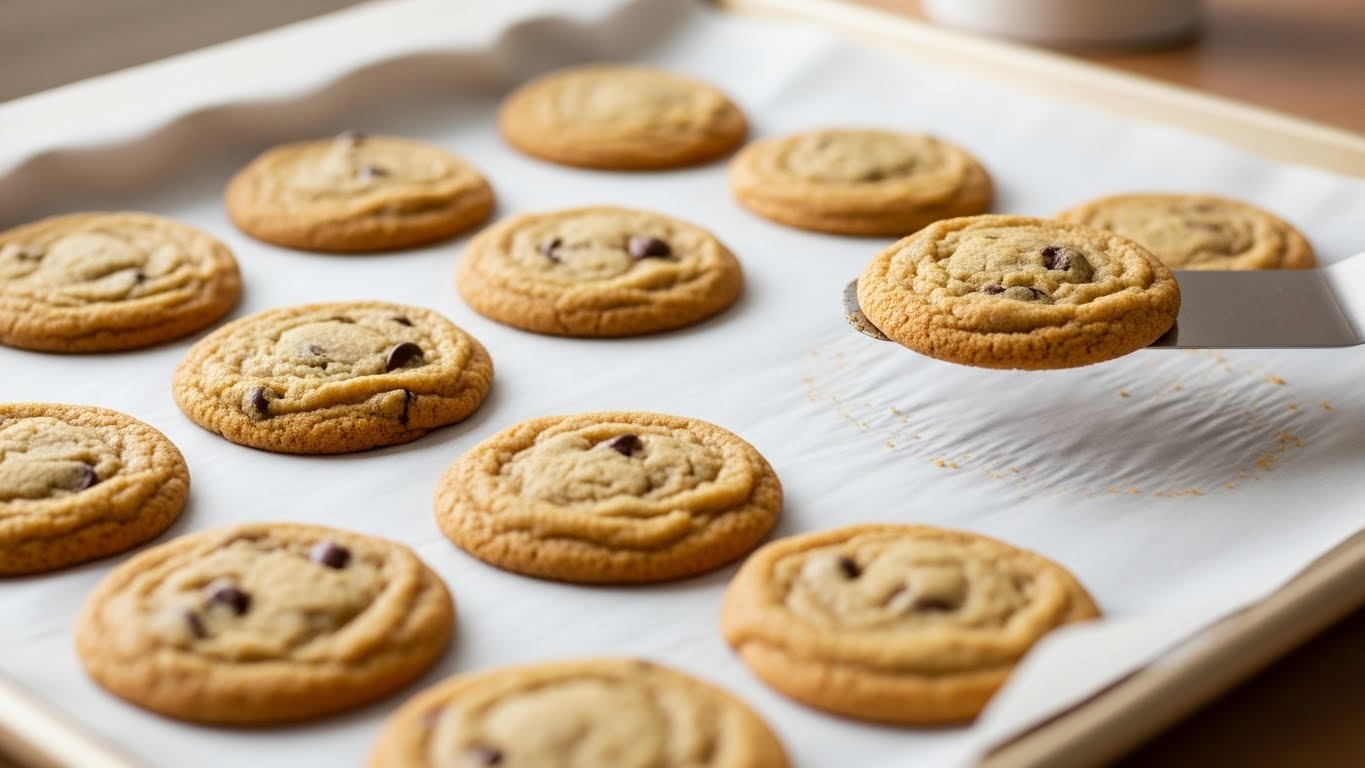
Have you ever struggled with wax paper sheets that don't quite do the job when baking your favorite treats? I certainly have. Despite the popularity of dry wax paper with over 500 purchases in the past month on popular online retailers it's not always the best choice for all your baking needs.
When it comes to non-stick baking, parchment paper stands out as the superior option. Although waxed paper sheets meet FDA food safety standards and provide lightweight coverage against moisture and grease, they simply don't perform the same way in high-heat situations. In fact, understanding the differences between these kitchen staples can dramatically improve your baking results.
In this guide, we'll explore why parchment paper has become essential in my kitchen, how it works to prevent sticking, and when you should choose it over alternatives. Whether you're an occasional baker or a weekend pastry enthusiast, the right baking surface can make all the difference.
What is parchment paper and how it works
Parchment paper is a culinary game-changer that adds ease and reliability to your baking routine. Unlike its name might suggest, modern parchment paper has nothing to do with traditional animal-skin parchment. Instead, it's a specially treated paper coated with an ultra-thin layer of silicone that creates a non-stick, heat-resistant surface.
How parchment paper is made
Today's parchment paper begins as regular paper made from wood pulp. The manufacturing process involves running this base paper through concentrated sulfuric acid, which transforms the paper's fiber structure. This acid bath causes the fibers to swell and partially dissolve, creating a gel-like coating. After thorough washing to remove all acid residues, the paper dries into its final form a dense, semi-transparent material with exceptional properties. Depending on processing methods, parchment paper comes in two varieties: white (bleached) or brown (unbleached).
Difference between parchment and waxed paper sheets
Many home bakers confuse parchment paper with waxed paper sheets, but the distinction is crucial:
- Coating: Parchment paper has a silicone coating that makes it non-stick and heat-resistant, while waxed paper sheets have a paraffin wax coating.
- Heat tolerance: Parchment paper can withstand temperatures up to 450°F, whereas wax paper's coating melts when exposed to heat.
- Usage: Parchment is ideal for baking and hot applications, while waxed paper works best for cold food storage or wrapping sandwiches.
Additionally, attempting to substitute waxed paper for parchment in the oven can lead to melted wax on your baked goods or even potential fire hazards.
Why it's used in baking
Parchment paper has become a kitchen essential primarily because it creates a thin air layer between the baking sheet and the paper, helping to regulate temperature and neutralize hot spots. Furthermore, it gives cookie dough something to hold onto, resulting in fuller cookies that don't spread excessively.
The non-stick quality means your baked goods slide right off the paper without clinging or breaking apart. Moreover, when lining cake pans, parchment allows cakes to release cleanly, preserving their perfect shape. Perhaps most appealingly for busy bakers, the cleanup afterward becomes remarkably simple, just toss the used parchment rather than scrubbing baked-on residue from your pans.
The science behind non-stick baking
First and foremost, the non-stick magic of parchment paper lies in specialized chemistry that outperforms regular wax paper sheets in the oven. The scientific principles behind this kitchen essential reveal why it's become indispensable for serious bakers.
How parchment paper prevents sticking
The secret to parchment paper's non-stick properties is its food-grade silicone coating. This silicone layer has extremely low surface energy, which physically prevents food molecules from bonding to the paper's surface even under high heat. As a result, everything from sticky caramel to melted cheese releases effortlessly.
The manufacturing process reinforces this non-stick quality through heat-curing, which forms a durable cross-linked coating that maintains stability at temperatures up to 220–260°C. In comparison, waxed paper sheets rely on a paraffin coating that melts when exposed to heat, making them unsuitable for baking.
Impact on even heat distribution
Beyond preventing sticks, parchment paper creates a thin air layer between your baking sheet and the food. This air barrier serves a crucial scientific function: it helps regulate temperature throughout the baking process. Consequently, the paper neutralizes hot spots that typically cause uneven baking.
This temperature-regulating effect is particularly important for delicate baked goods that require consistent heat. Parchment essentially acts as a protective shield that prevents sections of your cookies or pastries from overcooking before others have finished baking.
Moisture control and crisping
Parchment paper simultaneously manages two opposing baking needs moisture retention and crisp texture development:
- It creates an effective moisture barrier that traps some humidity around foods
- Yet it still allows foods to "breathe" enough to develop desirable crispness
Specifically for baked goods, the separation parchment creates between batter and pan fosters a slightly crisper texture with more even browning. For protein-based foods like chicken or fish, wrapping in parchment preserves internal moisture while still allowing proper cooking.
This balance makes parchment superior to alternatives like waxed paper sheets for achieving optimal texture in everything from cookies to roasted vegetables.
Top benefits of using parchment paper in baking
After discovering parchment paper, I've found it to be one of the most important tools in my kitchen. Indeed, many bakers consider it an essential item they "can't bake without" and "always have a roll handy". The practical benefits extend far beyond its non-stick properties, making it superior to traditional waxed paper sheets in multiple ways.
No need for greasing pans
One of the primary advantages of parchment paper is eliminating the need for greasing or oiling baking sheets and pans. Simply placing cookie dough, biscuit rounds, or other baked goods on parchment-lined sheets ensures your final products won't stick. This is especially valuable since additional fats from greasing are likely to seep into your cookies, causing excessive spreading and less rise than desired. On top of that, the fat content in most cookies already makes many recipes unlikely to stick anyway, making extra grease unnecessary.
Easier cleanup
Possibly the most celebrated benefit among home bakers is the remarkably simple cleanup. As opposed to waxed paper sheets that might melt and create more mess, parchment paper makes kitchen maintenance incredibly straightforward - just throw it away when you're done. No more frustration trying to pry stuck cookies or cakes off baking sheets or pans. Additionally, the burnt oil from traditional greasing methods can be a pain to clean off pans, a problem completely avoided with parchment paper.
Better presentation of baked goods
Parchment paper gives your baked creations that professional-quality finish. For cakes, using parchment paper guarantees they'll "come out in one piece every single time", preserving their shape and integrity. This is particularly crucial for delicate or intricate recipes where maintaining appearance is important. Furthermore, cookies baked on parchment paper "slide right off the baking sheets", preventing breakage that can occur when trying to remove stuck-on treats.
Reusable in some cases
Contrary to popular belief, parchment paper isn't always single-use. You can absolutely reuse parchment paper multiple times, especially sheets used for cookies. In fact, some bakers reuse each sheet "until it falls apart (many times)", making it more economical than it initially seems. Generally, if the paper is still mostly clean after using, it's a candidate for reuse - simply fold it up for later. For those baking big batches of cookies, the same parchment paper sheets can be reused up to three times.
When to use parchment paper vs other liners
Knowing which kitchen liner to use can make or break your baking project. Each option has distinct advantages depending on your specific needs.
Parchment paper vs waxed paper sheets
Contrary to common confusion, these two papers serve completely different purposes. Waxed paper sheets have a coating of paraffin wax that melts at low temperatures, making them unsafe for oven use. Waxed paper works wonderfully for wrapping sandwiches, lining cake pans where dough completely covers it, or food prep tasks. However, using waxed paper in the oven can lead to melting, smoke, or even fire hazards.
Parchment paper vs silicone mats
Though both provide non-stick surfaces, these options affect your baking differently:
- Spreading factor: Silicone mats are occasionally too non-stick, causing cookies to spread excessively compared to parchment.
- Longevity: Silicone mats are reusable for years, making them more eco-friendly and cost-effective long-term.
- Cleaning considerations: Silicone mats can retain powerful odors and stains, plus require thorough washing.
- Best uses: Silicone mats excel with sticky caramel work, while parchment yields better texture for most cookies.
When foil is a better choice
Aluminum foil outshines parchment in several situations:
- High-heat cooking: Use foil for grilling or broiling above 425°F when parchment would scorch.
- Heat reflection: Foil's reflective properties cook foods faster, though sometimes causing more browning.
- Sealing ability: For en papillote cooking on grills or campfires, foil creates better seals than parchment.
Conclusion
Parchment paper truly stands as an unsung hero in the baking world. Throughout my baking journey, this simple kitchen tool has saved me countless hours of scrubbing and prevented numerous baking disasters. Unlike waxed paper sheets that melt under heat, parchment paper's silicone coating makes it exceptionally reliable for high-temperature baking.
After all, the science behind parchment paper speaks for itself. The special silicone layer creates that perfect non-stick surface while simultaneously helping distribute heat evenly throughout your baked goods. This means cookies that release effortlessly and cakes that maintain their perfect shape without breaking apart.
Certainly, the practical benefits extend beyond just preventing sticking. You'll save time by skipping the greasing step, enjoy significantly easier cleanup, and achieve more professional-looking results. Though initially seeming like a single-use product, parchment paper can actually be reused several times for many baking projects, making it both practical and economical.
While alternatives like silicone mats and aluminum foil have their place in the kitchen, parchment paper remains my go-to choice for most baking needs. The next time you prepare to bake your favorite cookies or cake, remember that the right baking surface can make all the difference between frustration and satisfaction. My kitchen now always has a roll ready – once you experience the difference, yours likely will too.
 English
 French
 Spanish
 German
 Italian
 Portuguese