Why Professional Bakers Choose Brown Baking Paper (Expert Guide 2026)
Published on: 2026-01-07
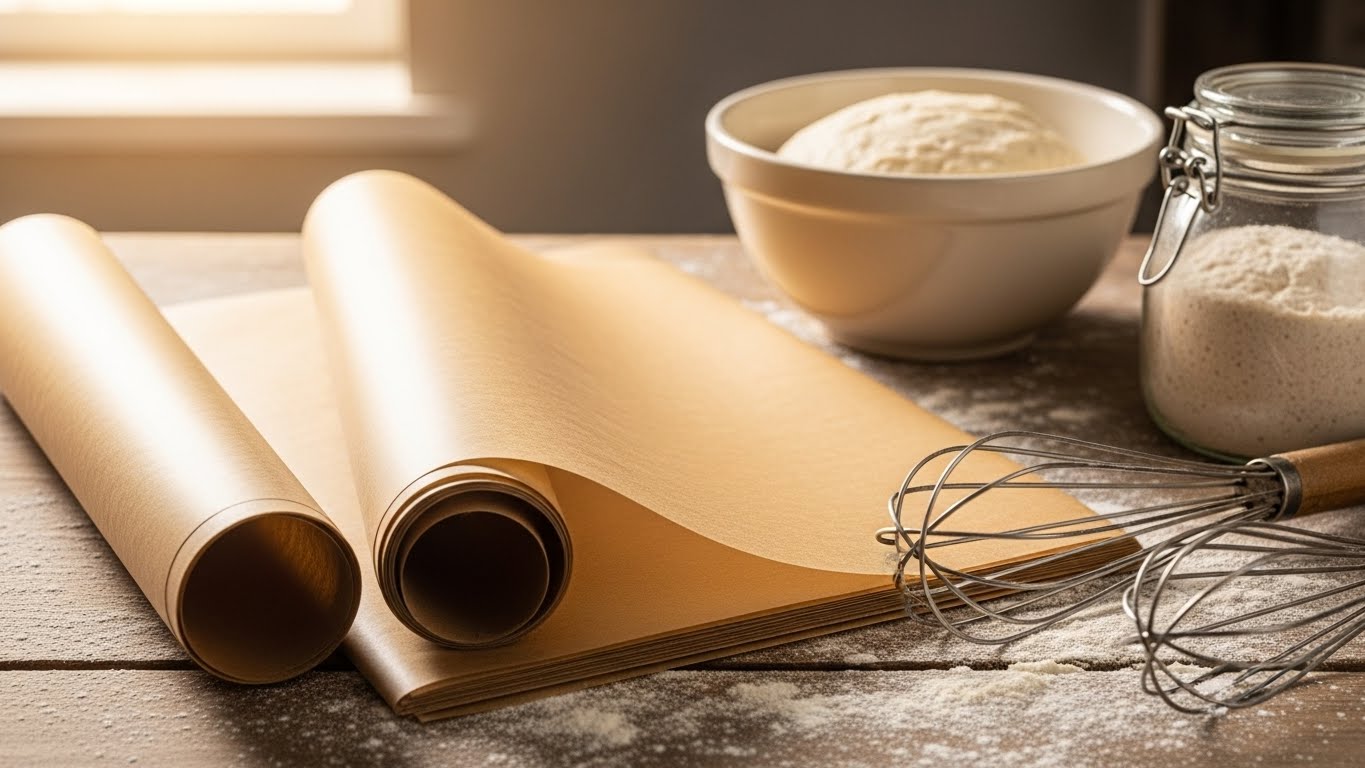
Brown baking paper has become the secret weapon of professional bakers everywhere, with products earning impressive ratings of 4.7 out of 5 stars from over 12,000 users. We've noticed this trend growing steadily in commercial kitchens, particularly as chefs discover the significant advantages it offers over traditional white parchment.
Unlike standard baking paper, brown baking paper is heat-resistant up to an impressive 450°F, making it essentially indispensable for high-temperature baking techniques. Furthermore, it's crafted from 100% natural wood pulp, ensuring you avoid potentially harmful chemicals like Chromium often found in Quilon-treated parchment. Consequently, we've seen more bakers switching to these eco-friendly options that come from well-managed forests and recycled materials.
In this comprehensive guide, we'll explore exactly why professional bakers are increasingly choosing brown baking paper, how it performs under various conditions, and the creative applications that extend well beyond basic baking. Whether you're running a commercial kitchen or simply want professional-quality results at home, this article will help you understand if this kitchen essential deserves a place in your baking arsenal.
What professional bakers need in baking paper
Professional bakers demand specific qualities from their baking paper that home bakers might not consider essential. After all, when you're producing hundreds of pastries daily, even small deficiencies in your materials can lead to major problems.
Durability under high heat
In commercial kitchens, baking paper must consistently withstand temperatures between 200°C to 230°C without burning or curling. High-quality brown baking paper exceeds these requirements, with many professional-grade options remaining stable at temperatures up to 450°F (230°C). This heat resistance ensures the paper won't disintegrate during baking, protecting both the baked goods and equipment.
Superior papers maintain their performance even after multiple bake cycles. This durability makes them economical for high-volume operations where sheets might be reused several times. Some premium silicone-coated papers can be reused approximately 10 times before needing replacement.
Reliable non-stick performance
The primary reason professional bakers prefer quality baking paper is its exceptional non-stick properties. Premium brown baking paper features food-grade silicone coating on both sides, ensuring superior non-stick release. This dual-sided coating allows bakers to use either side, maximizing efficiency.
Non-stick performance is crucial for delicate items like meringues, macarons, or thin pizza dough, where sticking could lead to crumbling or tearing. Additionally, professional-grade papers resist moisture and grease, helping achieve the desired texture for items like cookies by providing a crisper base compared to alternatives like silicone mats.
Ease of handling and cutting
Time efficiency is paramount in commercial bakeries, so paper that's easy to work with becomes invaluable. Pre-cut sheets significantly reduce preparation time and minimize waste. Many professional bakers prefer oversized sheets (18 x 13 inches) that extend beyond pan edges, creating convenient "parchment slings" for effortless lifting and removal of baked goods.
High-quality brown baking paper maintains consistent thickness (measured in GSM - grams per square meter), which ensures uniform baking and smooth feeding into ovens. The thicker 55 GSM papers offered by some manufacturers provide exceptional durability and structure that professional bakers rely on.
Moreover, heavy-duty papers resist tearing and curling, even when handling wet dough or meat. This stability simplifies the baking process while creating a cleaner working environment and superior product presentation.
Why brown baking paper meets those needs
The distinctive brown color of unbleached baking paper isn't just an esthetic choice it represents fundamental qualities that make it superior for professional baking applications.
Thicker than standard parchment
Brown baking paper typically features higher GSM (grams per square meter) measurements than standard options, providing exceptional durability for demanding kitchen tasks. This increased thickness allows it to maintain its shape under intense heat without curling or displacement. Indeed, premium-grade brown parchment offers better control and consistency throughout the baking process.
The robust composition not only resists tearing when handling wet dough but also retains moisture exceptionally well a critical factor for achieving perfect baking results. This thickness allows for multiple uses depending on the baking temperature and food type, making it both cost-effective and environmentally beneficial.
Natural and unbleached for safer baking
Unlike white parchment that undergoes chlorine bleaching primarily for esthetic purposes, brown baking paper retains its natural color because it skips this chemical process. This difference is substantial the unbleached paper is totally chlorine-free, reducing the risk of chemical byproducts coming into contact with food.
For health-conscious chefs, this presents a compelling advantage. As noted by experts at Consumer Reports, "If they work the same, why not play it safe?". Notably, both types perform equally well in terms of heat resistance, yet the unbleached version appeals to those prioritizing minimal chemical exposure.
Better grip and structure for shaping
Another distinctive advantage of brown parchment is its superior wet strength. This enhanced structural integrity makes it especially valuable when working with high-moisture content foods or steam-cooking methods.
The natural fibers in unbleached paper provide excellent grip for dough, preventing unwanted spreading crucial for items requiring precise shape retention. Furthermore, its sturdy composition creates a thin, airy layer between baking sheets and food, helping regulate temperature and neutralizing hot spots for even baking results.
Beyond baking: how pros use it creatively
Creative professional chefs have discovered that brown baking paper extends far beyond cookie sheets and roasting pans. Primarily valued for its versatility, this kitchen essential has found numerous applications that showcase its exceptional utility in commercial settings.
Air frying and steaming
Brown baking paper serves as an excellent air fryer liner, creating a non-stick barrier that prevents food from adhering to the basket. First and foremost, this practice makes cleanup remarkably easier just lift the paper to remove any crumbs or residue. When using paper in an air fryer, ensure it's weighed down by food to prevent it from flying around or touching heating elements. Although some chefs debate whether paper affects airflow, many find that proper placement minimizes any potential impact on cooking performance.
Fish en papillote (fish in parchment) represents another creative application where brown baking paper truly shines. This classic French technique creates a sealed parchment package that steams food using its own moisture. The unbleached paper withstands oven temperatures up to 446°F (230°C) without compromising food safety, making it perfect for gentle, flavorful cooking of fish, chicken, and vegetables.
Lining cake pans and bread molds
Professional bakers typically line their cake pans with precision-cut brown baking paper to ensure flawless release. The technique varies by pan shape round, square, or rectangular each requiring specific cutting methods. For bread baking, pre-cut 10x5-inch loaf pan liners eliminate the need for measuring and cutting, streamlining production in busy bakeries.
Separating frozen patties and dough
Interestingly, brown baking paper functions exceptionally well in cold environments too. When freezing homemade cookie dough, pastry chefs roll it into logs wrapped in parchment, twist the ends, and store for later use. For commercial kitchens preparing burger patties or portioned dough, placing brown baking paper squares between layers prevents them from sticking together. This simple technique makes separating frozen items effortless, saving valuable preparation time. As a bonus, the same paper can withstand temperatures from -40°F to 480°F, making it suitable for both freezing and subsequent baking applications.
Certifications and eco-conscious choices
Beyond green appearances, quality brown baking paper often comes with certifications that verify its environmental and safety claims. These standards have become increasingly important as commercial kitchens align with sustainable practices.
FSC-certified forestry practices
FSC certification stands as the gold standard for responsibly sourced paper products. This certification ensures brown baking paper comes from forests managed to meet strict environmental and social standards. The mark indicates paper derived from responsibly sourced wood materials, helping kitchens maintain eco-conscious operations. Genuine FSC-certified baking paper undergoes rigorous verification, yet still delivers superior performance with heat resistance up to 446°F.
Kosher and food-safe standards
First-rate brown baking paper typically meets kosher requirements, making it suitable for kitchens with religious dietary restrictions. Kosher certification demands careful monitoring of coatings specifically, vegetable-based stearic acids must replace animal-derived tallow versions. Meanwhile, high-quality papers avoid harmful chemicals through PFAS-free formulations, offering natural grease resistance without concerning additives. This combination of safety standards ensures both religious compliance and general food safety.
Why sustainability matters in commercial kitchens
Commercial kitchens increasingly recognize sustainability as a cornerstone of operational efficiency. Eco-friendly practices, including choosing compostable brown baking paper, create a "triple bottom line" balancing environmental, social, and economic factors. Far from just environmental idealism, sustainable kitchen practices generally translate to tangible business benefits reduced waste, lower energy costs, and improved brand reputation. Through recycling programs and compostable materials that decompose within 20 weeks, forward-thinking kitchens simultaneously protect their bottom line and environmental resources.
Conclusion
Brown baking paper stands as the clear choice for professional bakers who demand quality, safety, and versatility. Throughout this guide, we've seen how its superior heat resistance up to 450°F allows for confidence during high-temperature baking. Additionally, the unbleached nature eliminates harmful chemicals while providing better structural integrity for all baking applications.
Professional kitchens benefit from brown baking paper's remarkable durability. The higher GSM measurement translates to paper that withstands multiple uses, therefore reducing waste and cutting costs. Non-stick performance remains consistent thanks to dual-sided silicone coating, which ensures delicate pastries release perfectly every time.
Beyond conventional baking, chefs have discovered numerous creative applications. Brown parchment excels in air fryers, steaming techniques, cake pan lining, and even freezer storage. This versatility makes it an essential tool rather than just a disposable supply.
Eco-conscious bakers will appreciate that quality brown baking paper often comes with FSC certification, ensuring responsible forestry practices. Kosher and food-safe standards provide additional assurance for commercial kitchens serving diverse clientele.
Should you make the switch to brown baking paper? Based on our analysis, the answer seems clear. White parchment might look prettier on the shelf, but professional bakers choose brown baking paper for its performance, safety, and sustainability. Your baked goods and customers will thank you for this simple yet significant upgrade to your baking arsenal.
 English
 French
 Spanish
 German
 Italian
 Portuguese