Waxed Paper vs Parchment Paper: What’s the Real Difference?
Published on: 2025-12-24
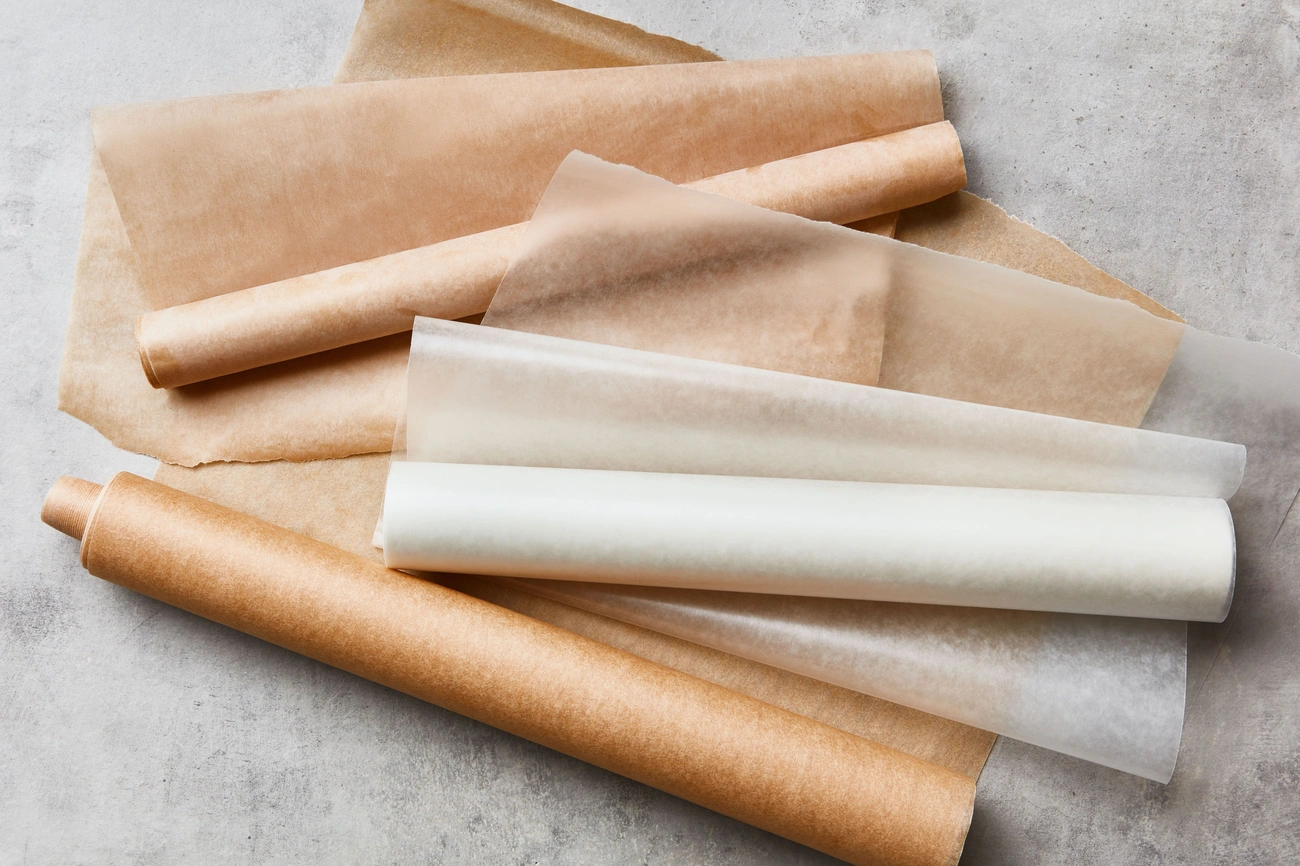
Waxed paper has been a kitchen staple since ancient times, with the practice of oiling parchment to make it translucent dating back to the Middle Ages. However, despite its long history, many home cooks still confuse waxed paper with its cousin, parchment paper.
In fact, the difference between these two kitchen essentials is quite significant. While waxed paper was once the universal choice for protecting foodstuffs, parchment paper can withstand temperatures up to 450-500 degrees Fahrenheit, whereas waxed paper will melt or potentially combust in a hot oven. This crucial distinction can make or break your recipe, yet we commonly see these products used interchangeably.
Today, we'll explore the real differences between waxed paper and parchment paper, helping you understand when to use each one for best results in your cooking and baking adventures.
Waxed Paper vs Parchment Paper: The Core Differences
Looking at these kitchen staples side by side, you might not notice much difference at first glance. Yet the core distinctions between waxed paper and parchment paper lie in their coatings, which give each unique properties that determine when and how you should use them.
Heat resistance and oven safety
The most critical difference between these two papers is their heat tolerance. Parchment paper is coated with silicone, making it heat-resistant up to 425°F. This silicone layer allows parchment paper to withstand high temperatures without burning, making it ideal for baking everything from cookies to roasted vegetables.
Conversely, waxed paper is coated with paraffin wax that melts at temperatures as low as 120°F. This makes waxed paper fundamentally unsuitable for most oven applications. When exposed to direct heat, the wax coating can melt, smoke, and potentially ignite, creating a fire hazard.
There is one exception: waxed paper can be used in baking only when completely covered by batter or dough, as the moisture from the mixture shields it from direct heat. Nevertheless, for most hot applications, parchment paper remains the safer choice.
Nonstick properties and surface texture
Both papers offer nonstick surfaces, albeit through different mechanisms. Parchment paper's silicone coating creates a smooth, nonstick surface that prevents food from adhering during cooking. This makes it particularly valuable for baking cookies and cakes that need to release cleanly.
Waxed paper, meanwhile, achieves its nonstick quality through the paraffin coating. The waxy texture feels slightly different to the touch you can actually feel the wax when you rub the paper between your fingers.
Additionally, some specialty products like dry wax paper undergo a unique process that embeds wax into the paper rather than coating the surface, ensuring no wax residue transfers to food.
Moisture resistance and breathability
Both papers excel at moisture resistance but serve different purposes. Parchment paper repels water and grease thanks to its silicone coating, but it will eventually saturate if exposed to enough moisture.
Alternatively, waxed paper completely repels moisture due to its paraffin coating, making it exceptionally suitable for wrapping moist foods. This property makes waxed paper particularly effective for cold food storage and wrapping sandwiches, as it locks in moisture and prevents food from drying out.
Furthermore, certain papers like butcher paper offer breathability that neither waxed nor parchment paper can match a quality particularly valuable when storing meats.
When to Use Waxed Paper in the Kitchen
Unlike its heat-resistant cousin, waxed paper truly shines in cold applications. Dating back to the 19th century, this kitchen staple has been protecting foods with its thin layer of paraffin or soybean-based wax, making it a versatile tool beyond traditional baking roles.
Best for cold food storage
Waxed paper excels at keeping food fresh because its coating acts as a natural moisture barrier. For cheese enthusiasts, waxed paper allows cheese to "breathe" yet prevents it from drying out. Simply rewrap your store-bought cheese in waxed paper for optimal freshness over 3-4 days. This moisture-repelling quality also makes it perfect for preserving ice cream texture place a sheet over your open carton before replacing the lid to prevent those unpleasant ice crystals.
Ideal for wrapping sticky treats
The nonstick surface of waxed paper makes it unmatched for homemade candies and confections. Caramels, taffy, and other sticky creations won't adhere to waxed paper, allowing for clean, easy unwrapping. For chocolate-covered treats or berries, waxed paper provides an ideal surface where your creations won't stick. You can even seal homemade packages by folding waxed paper edges and sealing them with an iron.
Microwave-safe uses
Contrary to popular belief, waxed paper can be safely used in the microwave for specific applications. It's excellent for covering food to prevent splatters, keeping your microwave clean without transferring chemicals to your meal. For safe microwave use:
- Keep heating times short and power settings low to medium
- Cover food loosely, allowing steam to escape
- Avoid high-fat or high-sugar foods that reach higher temperatures
- Keep the paper away from microwave walls
Why it's not suitable for baking
Although versatile, waxed paper cannot withstand oven heat. The paraffin coating melts at relatively low temperatures, potentially creating smoke and fire hazards. Once the wax melts, the paper underneath becomes flammable. The only exception is when waxed paper is completely covered by batter, such as when lining cake pans, though parchment paper remains the safer choice for all hot applications.
Parchment Paper Advantages and Versatility
Parchment paper has become indispensable in modern kitchens thanks to its remarkable functionality. Whereas waxed paper is limited to cold applications, parchment paper offers greater versatility across cooking techniques.
High heat tolerance
The most impressive quality of parchment paper is its exceptional heat resistance. Capable of withstanding temperatures up to 420-450°F, parchment paper can even handle bread and pizza baking at 500°F for short durations. When used at higher-than-recommended temperatures, it won't release harmful chemicals or catch fire it simply darkens and becomes somewhat brittle. For recipes requiring more than 30 minutes at high heat, placing a strip of folded aluminum foil beneath the parchment prevents it from falling apart.
Reusable and compostable options
Beyond single-use applications, silicone-coated parchment paper can be reused multiple times until it darkens and becomes brittle. Premium options like King Arthur Flour's parchment sheets can be reused repeatedly, making them economical despite their higher initial cost. For environmentally conscious bakers, several manufacturers now offer certified compostable parchment paper made from unbleached, chlorine-free FSC-certified paper.
Preferred in professional kitchens
Professional bakers consistently choose parchment paper for its reliability and versatility. In Europe and Asia, silicone-coated parchment is the traditional choice among professionals. Top test kitchens use it for everything from cookies to roasted vegetables. Moreover, professional bakers value parchment for specialized techniques like rolling out dough between sheets, creating decorative piping work, and lining cake pans for perfect release.
Silicone-coated versions
The silicone coating is what gives parchment paper its superior qualities. This food-grade coating creates a non-stick surface that's stable across a wide temperature range from freezing to high heat. Furthermore, silicone-coated parchment offers greater grease resistance than alternatives plus it won't alter the taste of food during cooking.
Cost, Sustainability, and Practicality
Beyond function, budget and environmental concerns often influence our choice between kitchen papers. Let's examine the practical side of these everyday essentials.
Price comparison: waxed vs parchment
When comparing costs, the difference is substantial parchment paper typically costs nearly four times more than waxed paper per square foot. For occasional bakers, this price gap might seem negligible over time. Yet, for frequent use, waxed paper's affordability (costing 30-50% less) makes it appealing for cold applications where heat resistance isn't necessary.
Environmental impact of paraffin wax
Conventional waxed paper poses significant environmental challenges. Most products contain petroleum-based paraffin wax, making them unsuitable for recycling or composting. Subsequently, these products persist in landfills for years, potentially releasing harmful substances. The carbon footprint varies significantly natural waxes like beeswax generate between 0.1423-0.3300 kg CO₂e per kilogram, considerably less than petroleum-based options.
Reusable alternatives like silicone mats
Increasingly, eco-conscious cooks are turning to silicone baking mats. Though requiring higher initial investment, these reusable alternatives typically last for years. Consequently, they're often more economical long-term while reducing kitchen waste. Many professional kitchens primarily use these mats alongside parchment paper, eliminating the need for waxed paper entirely.
When waxed paper is still worth it
Notwithstanding environmental concerns, waxed paper remains practical for specific situations. Its lower cost makes it ideal for messy projects or when lining surfaces during food preparation. Additionally, vegetable-based waxed papers offer improved sustainability, breaking down in 2-4 weeks under proper composting conditions.
Conclusion
Both waxed paper and parchment paper serve essential roles in our kitchens, though their applications differ significantly. After exploring their properties, we can see that choosing between them depends primarily on your specific cooking needs rather than personal preference.
Waxed paper shines best for cold food storage, wrapping sticky confections, and covering dishes in the microwave. The paraffin coating creates an excellent moisture barrier, making it perfect for preserving cheese freshness or preventing ice crystals in ice cream. However, this same coating becomes a liability when exposed to oven heat, where it can melt and potentially create a fire hazard.
Parchment paper, on the other hand, stands as the undisputed champion for any high-heat cooking application. Thanks to its silicone coating, it withstands temperatures up to 450°F, making it ideal for baking cookies, roasting vegetables, or even making high-temperature artisan bread. Many professional bakers choose parchment paper specifically for its reliability and versatility across cooking techniques.
Cost considerations certainly factor into our kitchen paper decisions. Waxed paper typically costs significantly less than parchment paper, which might influence your choice for applications where either would work. Similarly, environmental impact deserves attention reusable silicone mats offer a sustainable alternative for frequent bakers, while those seeking disposable options might look for compostable parchment paper or vegetable-based waxed paper.
Most well-stocked kitchens benefit from having both types on hand. Waxed paper excels at what it does best preserving food freshness and providing non-stick surfaces for cold preparations. Parchment paper earns its place through versatility and heat resistance. Understanding the unique properties of each allows us to make smarter choices in our cooking adventures, ensuring better results while avoiding potential kitchen mishaps.
 English
 French
 Spanish
 German
 Italian
 Portuguese