Why Professional Chefs Choose Butcher Paper (And You Should Too)
Published on: 2025-12-26
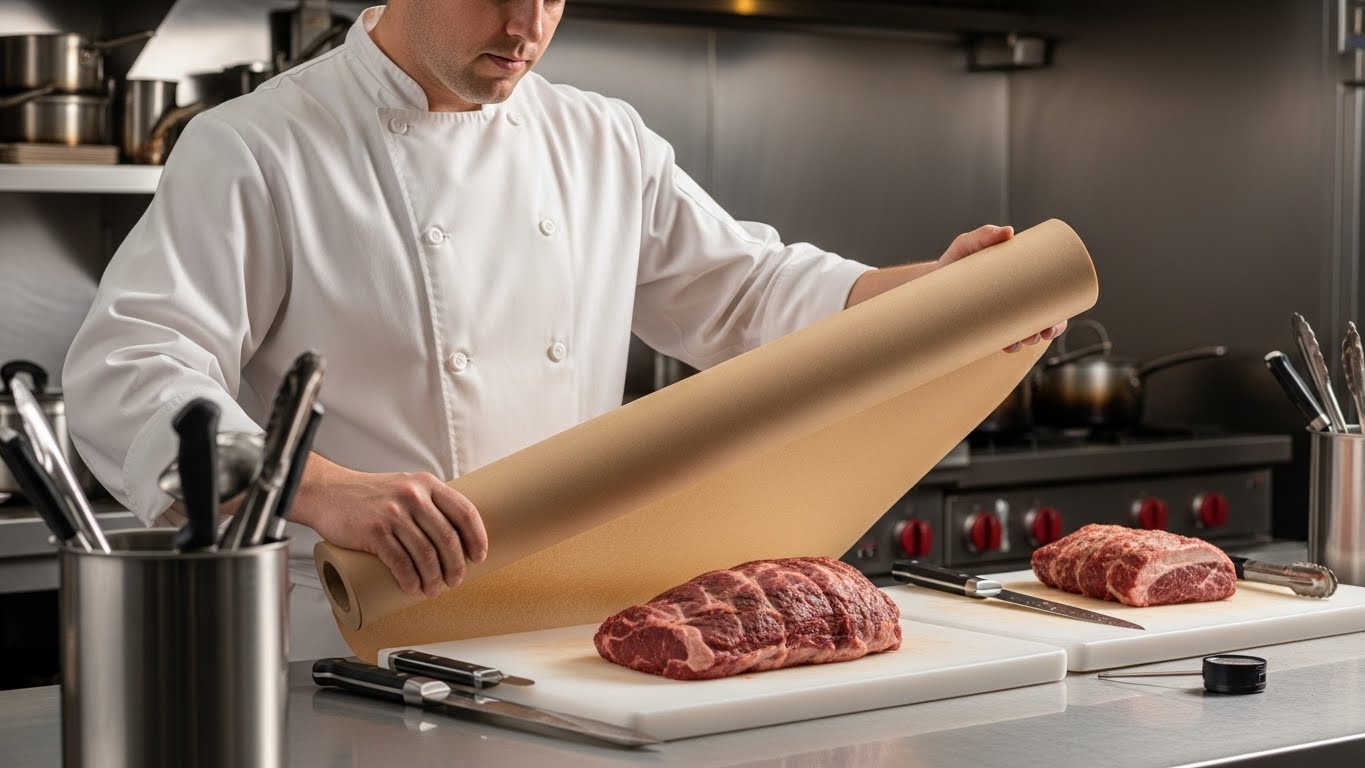
Butchers paper has long been the secret weapon of professional chefs, and for good reason. This versatile kitchen essential, traditionally used by butchers and fishmongers to wrap meat and fish, is actually a water-resistant kraft paper that offers benefits far beyond simple packaging.
Whether you're smoking meats, wrapping sandwiches, or preserving freshness, investing in a quality butchers paper roll can elevate your cooking results. The material comes in several varieties, including brown kraft butcher paper for everyday use, pink butcher paper ideal for smoking, and gardenia butcher paper when maximum protection against moisture is needed. In fact, many premium options like Reynolds Kitchens® Pink Butcher Paper are made from FDA-compliant, 100% food-grade paper that resists leaks and tears, even when wet.
In this article, we'll explore why professional chefs consistently choose butcher paper, the different types available and their specific uses, how it compares to other wrapping options, and how to select the right variety for your cooking needs. When you understand the advantages this simple yet effective tool provides, you'll see why it deserves a place in your kitchen arsenal too.
Why Butcher Paper Matters in Professional Kitchens
Professional kitchens rely on butchers paper for more than just wrapping cuts of meat. This versatile tool plays a crucial role in food preparation, cooking techniques, and overall quality control.
Keeps meat fresh and juicy
The semi-permeable nature of butchers paper creates the perfect balance for moisture retention. Unlike completely sealed wrappings, quality butchers paper absorbs just enough excess moisture while trapping the necessary juices inside the meat. This delicate balance ensures your proteins remain tender and flavorful rather than dried out or waterlogged.
Furthermore, butchers paper contains no coating that could transfer unwanted flavors to your carefully prepared dishes. The paper's ability to withstand high temperatures makes it ideal for wrapping large cuts like briskets and ribs during later cooking stages, maintaining temperature while preventing the meat from drying out.
Allows smoke to penetrate during cooking
One standout feature that separates butchers paper from alternatives is its breathability. The porous structure allows smoke to pass through and penetrate the meat during the smoking process, creating that signature flavor professional chefs strive to achieve.
This breathability particularly benefits Texas-style barbecue, where developing that coveted dark, caramelized bark on brisket is considered the "holy grail". Many BBQ competitions across America favor butchers paper roll specifically because it enhances smoke absorption while maintaining moisture.
Prevents sogginess and over-steaming
Perhaps most importantly, butchers paper regulates moisture in a way that prevents the dreaded soggy exterior. While aluminum foil completely seals in steam, often resulting in a mushy texture, butchers paper allows just enough air circulation to maintain textural integrity.
The paper's balanced breathability creates what many pitmasters consider the perfect bark - crisp and flavorful rather than soggy and steamed. It strikes the optimal balance between moisture retention and evaporation, preventing the meat from becoming overly wet while keeping it far from dry.
Additionally, butchers paper absorbs rendered fat during cooking, which helps maintain texture while avoiding the unwanted "steamed" effect that completely sealed wrappings often create.
Types of Butcher Paper and Their Uses
When selecting butchers paper for your kitchen needs, understanding the distinct properties of each variety ensures you'll choose the right tool for the job. Each type offers unique benefits suited to specific culinary applications.
Brown butcher roll: everyday use
Brown butcher paper, often called kraft butcher paper, represents the most common and cost-effective option. This unbleached paper maintains its natural wood pulp color, making it the industry standard. Essentially, it provides excellent thickness to protect wrapped meats from airborne contaminants while preventing leakage. The slightly coarse texture offers superior grip, keeping wraps secure around meats or sandwiches. For this purpose, many restaurants and BBQ establishments choose brown butcher paper not only for its performance but also for its rustic esthetic that complements smoked meats.
White butcher roll: clean presentation
White butcher paper undergoes a bleaching process to remove the natural brown color, resulting in a smooth, bright white surface. Consequently, it costs more than its unbleached counterpart. This 40-pound basis weight paper offers excellent tear resistance and superior bursting strength, making it ideal for wrapping deli foods, sandwiches, and meat products. Many establishments value its clean, professional appearance for food presentation. White butcher paper remains breathable enough to prevent sogginess while providing a pristine surface for wrapping food items or lining bakery boxes.
Pink butcher roll: ideal for smoking
Pink (or peach) butcher paper derives its distinctive color from Southern Pine wood pulp. Notably, this specialized paper has become the go-to choice for BBQ enthusiasts, especially for Texas-style barbecue. Its perfect porosity allows smoke to penetrate the meat while preventing over-steaming, keeping the coveted bark intact. The unique breathability creates the ideal balance, letting enough moisture escape to avoid sogginess while maintaining internal juiciness. Professional pitmasters choose pink butcher paper primarily because it allows smoke to infuse flavor without trapping excessive moisture.
Peach treated butcher roll: extra moisture resistance
Peach treated butcher paper resembles regular pink paper but features an important distinction one side receives special treatment to enhance wet strength. This premium paper includes a sizing agent that preserves fresh-cut meats during storage. The treated surface prevents leakage over extended periods, making it the favored choice among serious BBQ enthusiasts. Moreover, it allows just enough oxygen to reach the meat, minimizing unwanted oxidation and maintaining vibrant color and freshness. Peach treated paper tolerates temperatures up to 450 degrees, comparable to parchment paper.
Gardenia butcher roll: premium protection
Gardenia butcher paper sits at the top tier of quality, offering superior protection against moisture and contamination. Pioneered in the 1930s specifically for wrapping fish requiring higher barriers to oil or blood penetration, this premium wrap utilizes proprietary chemistry to create unique holdout properties. The distinctive shade enhances the appearance of fish and poultry in display cases while preventing leakage of meat juices and oils. Ultimately, Gardenia paper allows some penetration of air, preventing the "sliming" that occurs with completely airtight barriers. This high-performance option justifies its higher price for professional establishments seeking maximum protection.
Butcher Paper vs Other Wrapping Options
Understanding the alternatives to butchers paper helps highlight why professional chefs reach for it first. Although other wrapping options exist, each comes with limitations that make butchers paper roll the preferred choice for many cooking applications.
Parchment paper: non-stick but not breathable
Parchment paper undergoes treatment with sulfuric acid or zinc chloride, creating a non-stick surface that's heat-resistant up to 450°F. Its silicone coating prevents food from sticking making it excellent for baking cookies and cakes. However, parchment paper lacks the crucial breathability of butchers paper. This means it keeps moisture locked in rather than allowing the balanced airflow needed for smoking meats. Although useful for roasting and the French technique of cooking "en papillote," parchment paper will not deliver the same bark development on smoked meats.
Wax paper: grease-resistant but not heat-safe
Treated with food-grade paraffin wax, wax paper creates an effective barrier against moisture in both directions. This quality makes it suitable for wrapping sandwiches or lining cold food trays. Nevertheless, wax paper should never be used in high-heat cooking situations. The wax coating melts at temperatures far below what's required for smoking or roasting, potentially contaminating your food with wax residue. If you don't have butchers paper, foil would be safer than risking wax paper in hot cooking applications.
Plastic wrap: traps moisture, not ideal for smoking
Plastic wrap creates an airtight seal, completely preventing air exchange. Yet this tight seal works against you when smoking meats, as it traps all moisture against the meat's surface. The result? Over-steamed, soggy exterior instead of the desired crisp bark that butchers paper helps develop.
How to Choose the Right Butcher Paper for You
Selecting the perfect butchers paper isn't just about grabbing any roll off the shelf. The right choice makes all the difference in your cooking results.
Consider your cooking method
First things first, match your paper to how you'll use it. For smoking meats, pink or peach butcher paper allows smoke to penetrate while maintaining moisture. For daily food prep, standard brown kraft works perfectly well. Remember that butchers paper should only be used at temperatures under 300°F. Steer clear of waxed or coated papers for smoking since they'll interfere with proper cooking performance.
Think about presentation needs
The appearance of your wrapped items matters too. White butchers paper roll provides that clean, professional look ideal for delis and food service. It's perfect for writing on to identify contents or create custom wraps. Brown paper offers a more rustic, authentic esthetic that many BBQ restaurants prefer. Some businesses even use large rolls (30" x 700') for creative table covers during food service events.
Balance cost with performance
Finding that sweet spot between quality and budget is crucial. Premium options like gardenia butcher paper cost more yet deliver superior protection against moisture. Consider your usage volume commercial kitchens benefit from bulk purchasing, whereas home cooks might need smaller quantities.
Look for food-safe certification
This step is non-negotiable. Always verify that your butchers paper is FDA-approved for direct food contact. Authentic food-grade paper will include certification from the supplier stating it's 100% FDA approved. Be wary not everything marketed as "butcher paper" meets food safety standards. Legitimate products typically feature approval stamps right on the rolls or sheets.
Use a quality butchers paper roll for consistency
Investing in high-quality paper prevents frustrating leakage issues and unwanted flavor transfer. Quality papers maintain their integrity even when wet, providing reliable performance every time. Purchasing from trusted suppliers ensures the consistency professional results demand.
Conclusion
Butcher paper stands as a versatile kitchen essential that delivers significant advantages over alternative wrapping materials. Professional chefs choose it because it strikes the perfect balance between moisture retention and breathability, resulting in juicier meats with better texture and flavor. Pink butcher paper particularly excels at smoking applications, allowing smoke penetration while maintaining that coveted bark development barbecue enthusiasts prize.
Though seemingly simple, this unassuming kitchen tool offers remarkable benefits across various cooking applications. Chefs understand that premium-quality, food-grade butcher paper prevents food from becoming soggy while preserving internal moisture something plastic wrap, parchment paper, and wax paper simply cannot accomplish.
Additionally, the different varieties from standard brown kraft to specialized peach-treated and gardenia papers each serve specific purposes based on your cooking needs and presentation requirements. This versatility makes butcher paper adaptable to almost any kitchen scenario.
Before purchasing butcher paper, consider how you plan to use it. Match the type to your cooking method, presentation goals, and budget. Most importantly, always verify FDA approval for food safety.
After trying butcher paper in your kitchen, you'll likely wonder how you managed without it. This chef-approved essential deserves a permanent place in your culinary arsenal. Whether smoking a brisket, wrapping sandwiches, or storing fresh cuts, butcher paper outperforms the alternatives while remaining affordable and accessible. The next time you prepare food, remember what professional kitchens have known all along quality butcher paper leads to better results.
 English
 French
 Spanish
 German
 Italian
 Portuguese