Parchment Paper vs. Baking Paper: The Real Truth Every Baker Should Know
Published on: 2025-12-26
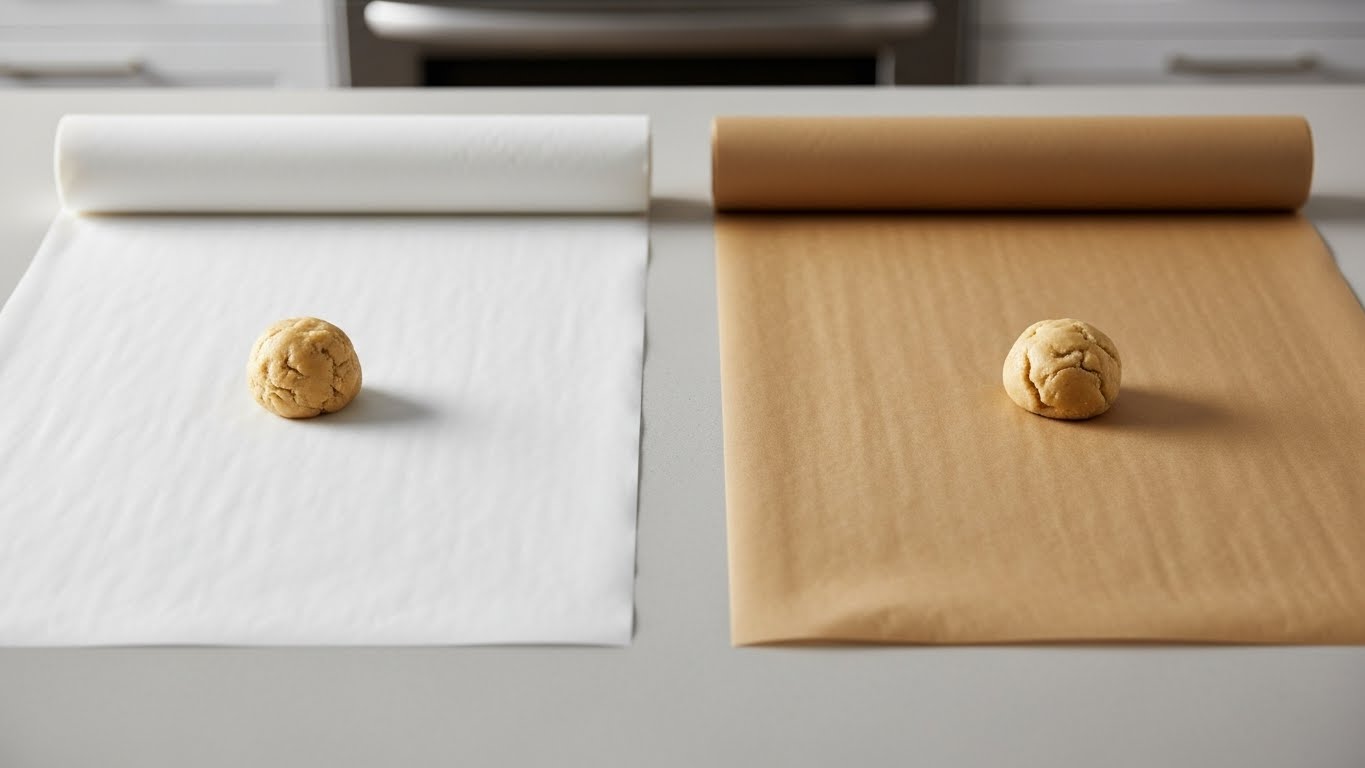
Is parchment paper the same as baking paper? This question confuses many home bakers, but the answer is actually quite simple they're identical products with different names.
When looking at parchment paper specifically, we're talking about a cellulose-based kitchen helper treated with silicone to create a non-stick surface. In fact, this versatile paper offers impressive heat resistance, withstanding temperatures up to 230°C (446°F), making it perfect for various cooking applications. However, regional terminology differences often create unnecessary confusion in recipes and cooking instructions.
Throughout this article, we'll explore the real truth behind these kitchen essentials, examining their features, best uses, and environmental impact. Whether you're lining baking sheets, wrapping food, or creating decorative piping bags, understanding what makes these papers so valuable in the kitchen will elevate your cooking experience.
What’s the Difference Between Parchment and Baking Paper?
The terminological tangle between parchment paper and baking paper often leaves home bakers scratching their heads in the baking aisle. Despite apparent differences in naming, these kitchen staples share more similarities than differences.
Knowledge of the terminology
The confusion begins with product labeling. While browsing through kitchenware stores, you might notice packages labeled as "parchment paper," "baking paper," or even "baking parchment," leading to a common question like is parchment paper the same as baking paper. These terms refer to essentially the same product: a heat-resistant, non-stick paper used in various cooking applications.
The primary characteristic of both products remains consistent: a paper base treated with a non-stick coating. This specialized paper prevents food from sticking to baking surfaces while providing an excellent barrier between your food and the pan beneath.
Why the names vary by region
Geographic location largely determines what this kitchen essential is called. Throughout North America, "parchment paper" dominates as the preferred term. Meanwhile, across the UK, Australia, and New Zealand, "baking paper" stands as the common nomenclature.
Additionally, certain European countries have their own variations. For instance, in France, you might encounter "papier sulfurisé" (sulfurized paper), whereas Germans often use "backpapier" (baking paper).
These regional differences stem from historical development of culinary traditions and manufacturing practices. Nevertheless, regardless of what it's called locally, the fundamental purpose and composition remain unchanged.
Are they really the same thing?
Yes fundamentally, parchment paper and baking paper are identical products with different names. Both are:
- Made from cellulose-based paper
- Treated with silicone (not wax) for non-stick properties
- Heat resistant up to approximately 230°C/446°F
- Suitable for lining baking sheets, cake pans, and other cookware
Furthermore, both provide the same practical benefits in the kitchen, including:
- Creating a non-stick surface for delicate items like cookies and pastries
- Preventing cross-contamination between batches
- Reducing cleanup time by protecting pans from grease and residue
- Forming impromptu piping bags or wraps for en papillote cooking methods
The terminological distinction persists primarily due to manufacturing and marketing traditions rather than actual product differences. Therefore, when following a recipe that specifies either parchment or baking paper, rest assured that you can use whichever product is available in your local stores without compromising your culinary results.
Key Features That Set Them Apart
Although both parchment and baking paper share a name and basic function, their distinct features truly define their utility in the kitchen. Let's examine what makes these kitchen staples exceptional cooking companions.
Non-stick surface and coating types
The magic behind both papers lies primarily in their specialized coatings. True parchment paper typically features a silicone coating that creates its renowned non-stick surface. This silicone layer ensures food releases easily without additional greasing or oiling.
Two main types of non-stick coatings exist on the market: silicone and quilon. Silicone coatings are considered safer for both humans and the environment since silicon is naturally found in sand, quartz, and rock. Silicone-coated papers are non-toxic, biologically degradable, and generally reusable multiple times. Quilon-coated papers, though less expensive, don't offer the same environmental benefits.
Heat resistance and oven safety
One critical feature that separates quality baking papers from alternatives is heat tolerance. Most parchment/baking papers can withstand temperatures up to:
- 420°F-450°F (215°C-230°C) for silicone-coated papers
- 230°C for standard greaseproof papers
This heat resistance makes them ideal for baking, roasting, and other high-temperature cooking methods. Undoubtedly, this sets them apart from wax paper, which begins melting at much lower temperatures around 115°F-154°F (46°C-68°C).
Greaseproof vs. waterproof properties
Not all kitchen papers offer identical moisture and grease resistance. Greaseproof paper is engineered through a refining process that tightens paper fibers, creating a natural barrier against oil and grease. Nonetheless, it gradually absorbs moisture over time.
Alternatively, parchment paper with silicone coating provides superior resistance to both moisture and grease simultaneously. This dual protection explains why it remains the preferred choice for baking applications where both properties matter.
PE-coated papers (sometimes called greaseproof papers) offer enhanced moisture barriers, making them particularly effective for wrapping foods with high water content or freshly prepared items. Throughout their use, these coatings maintain food quality by preventing leakage that would otherwise compromise texture and taste.
When to Use Each Type in the Kitchen
Knowing exactly when to reach for parchment paper or baking paper can elevate your cooking from good to exceptional. With their versatile properties, these kitchen staples serve numerous functions beyond simple baking.
Best uses for parchment paper
Parchment paper shines brightest when used for baking projects. Line sheet pans with it to ensure your cookies bake evenly and don't brown excessively on the bottoms. Likewise, placing it inside cake pans helps your creations release effortlessly after baking.
Beyond basic baking, parchment excels in the French cooking technique "en papillote" – creating individual packets for fish filets with herbs, lemon slices, and vegetables. This method combines baking and steaming, concentrating flavor without requiring oil or butter.
Moreover, parchment paper helps keep your kitchen spotless. Place a small piece on:
- Kitchen scales to prevent ingredient buildup
- Panini presses and waffle makers to avoid difficult cleaning
- Countertops when rolling out dough to prevent sticking
Ideal scenarios for baking paper
Since baking paper is essentially identical to parchment paper, it's perfect for all the same tasks. The primary difference lies in regional terminology rather than function.
Regardless of what you call it, this paper works beautifully for reheating leftovers, preventing microwave splatters, and creating easy cleanup situations during food prep. Many chefs recommend spritzing your pan with nonstick spray before laying down your baking paper to prevent it from curling up during use.
Tasks where they are interchangeable
Both papers excel at tasks requiring non-stick properties without extreme heat. They're perfect for making candy like fudge, storing food in the freezer, and separating layers of food to prevent sticking.
Whenever you need to wrap sandwiches, cheese, or other refrigerated items, either paper type works well. They're also handy for crafting impromptu piping bags for decorating desserts or creating food service cones.
When not to use either one
Parchment and baking paper should never be used in high-heat cooking. Avoid using them in ovens exceeding 400-425°F or under broilers, as they may catch fire. Remember chef Michelle Weaver's advice: "Sweet treats need parchment sheets; grill or broil, go with foil."
Additionally, neither paper belongs in smokers, on grills, or anywhere with direct flame exposure. For these high-temperature cooking methods, aluminum foil provides a safer alternative despite its different properties.
Safety, Sustainability, and Alternatives
Beyond functionality, many bakers today consider the safety and environmental impact of parchment paper. Let's examine what you should know before your next baking session.
Are they PFAS-free and compostable?
Recent testing revealed some brands contain detectable levels of fluorine a PFAS indicator with Reynolds measuring 14 ppm and Kirkland at 12 ppm. Alternatively, brands like If You Care tested as "non-detect" for harmful chemicals. Most parchment papers aren't recyclable unless you select unbleached, natural options specifically labeled as compostable. Certain certified papers break down safely in both industrial facilities and home compost bins.
Environmental certifications to look for
Quality parchment papers often carry these important certifications:
- Forest Stewardship Council (FSC) - ensures sustainable forestry practices
- Nordic Swan Ecolabel - limits greenhouse gas emissions and requires 70% certified forest materials
- BPI or TÜV AUSTRIA - verifies compostability claims
Silicone baking mats vs. paper options
Silicone baking mats represent a reusable alternative to disposable papers. Yet they come with limitations you cannot knead or roll dough on them because the dough sticks to the small perforations. Even still, they eliminate recurring costs associated with parchment paper.
Wax paper: why it's not a substitute
Never substitute wax paper for parchment paper in baking applications. Unlike heat-resistant parchment, wax paper melts at low temperatures, potentially leaching paraffin into your food. Reserve wax paper exclusively for wrapping refrigerated items.
Conclusion
After all the comparisons and technical details, the answer remains refreshingly simple - parchment paper and baking paper are identical products with different names depending on your location. This knowledge alone saves unnecessary confusion when following recipes from different regions or shopping in unfamiliar stores.
The versatility of this kitchen essential truly stands out. Whether lining baking sheets for perfect cookies, creating en papillote packets for delicious fish, or simply reducing cleanup time, this silicone-coated paper proves its worth time and again. Additionally, understanding its heat limitations (around 230°C/446°F) helps you use it safely and effectively.
Safety-conscious bakers should certainly look for PFAS-free options with environmental certifications like FSC or Nordic Swan Ecolabel. Alternatively, silicone baking mats offer a reusable option for certain applications, though they cannot completely replace the functionality of parchment in all scenarios.
One final but critical point to remember: never substitute wax paper for parchment or baking paper when heat is involved. Despite their similar appearance, wax paper lacks the heat resistance necessary for baking and could potentially contaminate your food.
Armed with this knowledge, you can now confidently select the right product for your kitchen needs, regardless of what it's called on the package. The next time you're baking cookies, lining cake pans, or preparing fish en papillote, you'll know exactly which paper to reach for - whichever one your local store happens to stock!
 English
 French
 Spanish
 German
 Italian
 Portuguese