Discover the Safest Alternative of Baking Paper for Everyday Baking
Published on: 2025-11-28
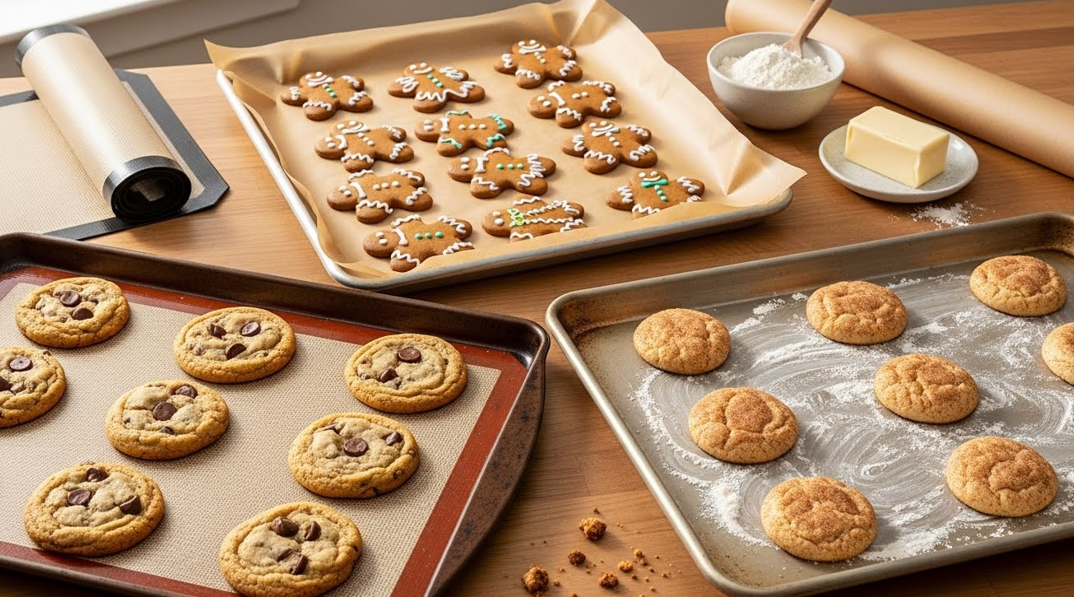
In many home kitchens, the simple act of lining a tray has become routine. Yet long before modern parchment rolls appeared on shelves, bakers relied on a variety of thoughtful techniques to protect their doughs, pastries and breads. Today, as more people explore traditional methods and seek safer, more practical solutions, interest in dependable substitutes has grown. Understanding these options not only improves your baking but reconnects you with methods that have stood the test of time.
Baking paper serves as a shield between your ingredients and the heat of the oven, ensuring even cooking and easy release. But supplies run out, recipes vary and preferences change. Many home bakers now search for an alternative of baking paper that suits both old recipes and modern habits. The best substitutes echo the qualities of baking paper while bringing added advantages such as reusability, durability and improved heat control.
When looking beyond the familiar parchment roll, it helps to explore methods that were once common in traditional kitchens. Bakers throughout history mastered ways to protect their foods without synthetic coatings or throwaway materials. Adopting such options today can elevate your baking while reducing waste, sharpening skills and helping you understand your tools more deeply.
Silicone Baking Mats: The Modern Heir to Tradition
Though modern in design, silicone mats echo the reusable tools once used by classic patisseries. Made from food safe silicone, these mats offer a stable, heat resistant surface. They require no greasing, wash easily and can be used hundreds of times. Their even heat distribution makes them particularly dependable for biscuits, pastries and sugar work. For everyday baking, they remain one of the safest and most versatile substitutes.
Using Baking Stones or Steel Plates
Baking stones and steel plates provide a time honoured way of baking directly on a heated surface. When preheated thoroughly, they mimic the floor of old brick ovens. Dough releases easily when placed on a properly heated stone, especially if dusted with semolina. This method is perfect for artisan breads, pizzas and flatbreads. It may require practice, but the results often surpass what parchment alone can deliver.
Greased Pans: A Method Ancestral Bakers Trusted
Before disposable liners existed, bakers relied on generous greasing with butter, lard or oil. This method enhances flavour, encourages gentle browning and creates a protective barrier between the food and the pan. Greasing works well for cakes, breads, crumbles and pies. To achieve the best results, lightly dust a greased tin with flour for batters that tend to stick. Though simple, this centuries old technique remains reliable and safe.
Dusting With Flour or Semolina
When dealing with doughs, particularly pizzas and rustic breads, a light dusting of flour, semolina or cornmeal can serve as a natural release agent. This creates a textured layer that prevents sticking while encouraging a crisp base. Traditional stone bakers have used this technique for generations, valuing the flavour and texture it brings. It works wonderfully for freeform doughs that do not require a smooth lined surface.
Foil With Light Greasing
Aluminium foil, though modern in origin, functions well for roasting vegetables, fish and meats. When greased lightly, it can also assist in baking firmer items like scones or turnovers. Foil moulds easily to different shapes but conducts heat more intensely, so care is needed to prevent over browning. The key is to monitor the bake and adjust oven placement when necessary.
Reusable Non Stick Liners
Cloth backed or mesh non stick liners offer another sustainable alternative. They withstand high temperatures and can be cut to fit any tray. These liners have been used in professional kitchens for years because of their durability and consistent performance. They are particularly beneficial for frequent bakers who want an economical, long lasting solution.
Benefits of Exploring These Alternatives
Choosing substitutes brings more than convenience. It encourages thoughtful baking, reduces waste and provides greater control over texture and browning. Many alternatives offer:
Less reliance on single use products, improving sustainability in the kitchen
Versatility across breads, pastries, meats and vegetables
Enhanced flavour, especially when using butter or oils
Better heat distribution, resulting in more even baking
Reusability, saving cost and reducing environmental harm
How to Select the Right Substitute for Your Recipe
Your choice should depend on what you are baking.
For cookies and delicate pastries, silicone mats or non stick liners offer clean edges.
For cakes and quick breads, greasing and flouring provide dependable release.
For pizzas and rustic bread loaves, stones and dusted trays replicate traditional ovens.
For roasted vegetables, foil or a lightly greased tray works best.
Understanding these distinctions ensures your baked goods emerge flawless and flavorful.
Practical Advice for Smoother, More Consistent Baking
Match the method to the recipe rather than using one solution for all bakes
Let baked goods cool slightly before lifting to prevent tearing
Avoid excessive greasing as it may cause batter pooling at the edges
Use a light hand with flour or semolina to avoid bitter aftertastes
Preheat your trays, stones or steel properly for crisp crusts
Final Thoughts
Exploring different substitutes brings a deeper appreciation for both modern tools and traditional wisdom. Whether you value sustainability, heritage techniques or practical everyday solutions, finding the safest and most effective method elevates your baking. By understanding how each alternative behaves in heat, you gain more control over your results and more confidence in your kitchen routines.
At Deli Paper, we take pride in offering products that support home bakers and professionals who seek reliability, safety and quality. Our range is designed for kitchens that value thoughtful preparation and long lasting tools. Visit us to discover essential supplies that help you bake with ease and assurance every day.
Match the method to the recipe rather than using one solution for all bakes
Let baked goods cool slightly before lifting to prevent tearing
Avoid excessive greasing as it may cause batter pooling at the edges
Use a light hand with flour or semolina to avoid bitter aftertastes
Preheat your trays, stones or steel properly for crisp crusts
Less reliance on single use products, improving sustainability in the kitchen
Versatility across breads, pastries, meats and vegetables
Enhanced flavour, especially when using butter or oils
Better heat distribution, resulting in more even baking
Reusability, saving cost and reducing environmental harm
 English
 French
 Spanish
 German
 Italian
 Portuguese