Case Study: Custom Deli Paper for a UK Cafe
Published on: 2026-07-21
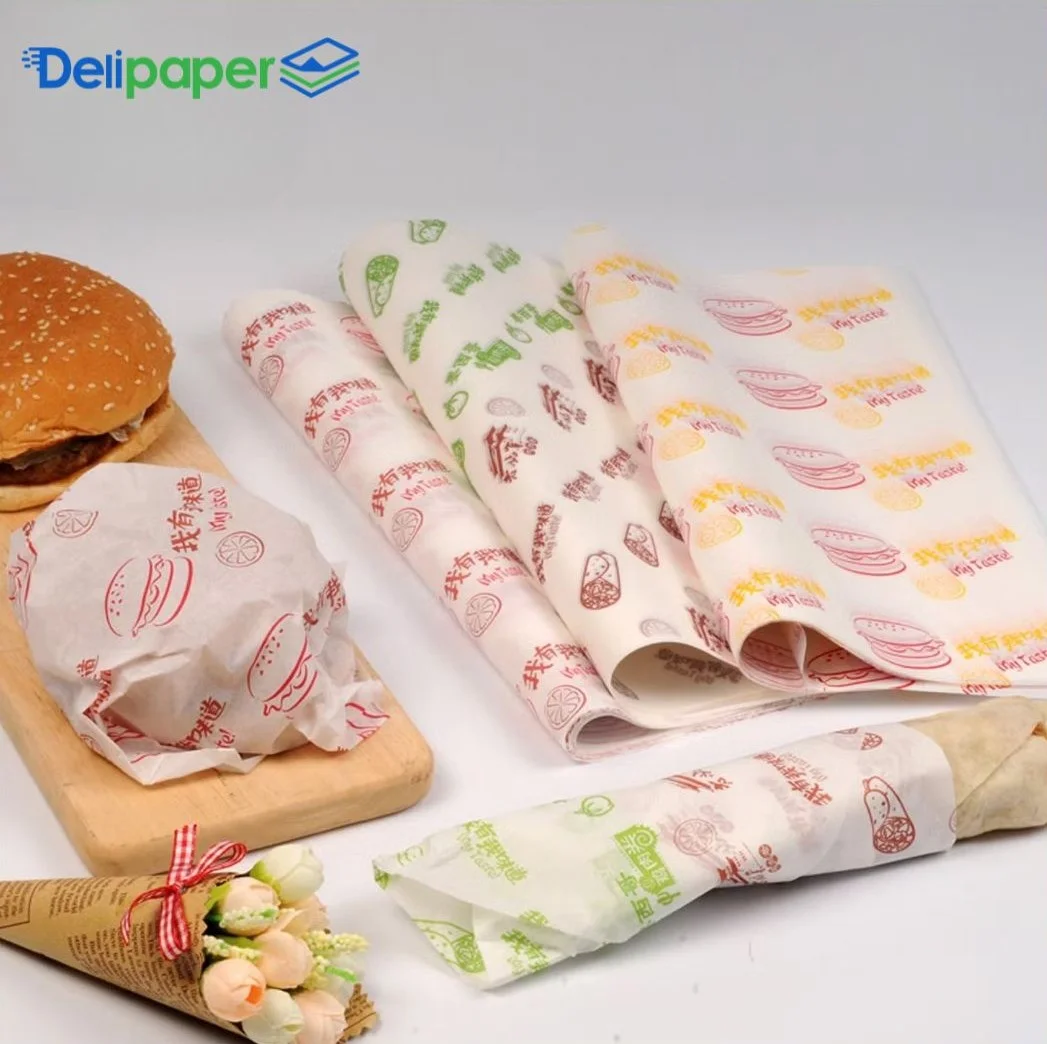
Sarah Whitfield never set out to run a cafe with a packaging problem. The Corner Loaf, tucked on a busy Bristol high street, had built a proper following, sourdough regulars planned their week around, sandwiches carved to order, coffee that didn’t taste like an afterthought. By early 2025, though, something was quietly undercutting all of it.
The wrapping. Plain, unbranded sheets that did nothing for freshness and even less for flavour. Takeaway bags that could’ve come from any shop on the street because, frankly, they probably had. “We'd spent years building something that felt like us,” Sarah told us, and then the second a sandwich left the counter, it looked like it belonged to nobody in particular.
What she wanted wasn’t complicated, at least in her head: packaging with a bit of personality. Rustic, slightly playful, unmistakably Corner Loaf, without blowing the budget or overcomplicating things for a small team.
The Problem With "Good Enough" Packaging
Most independent cafes in the UK don’t have room to experiment; margins are too tight for that, and The Corner Loaf was no different. Sarah wasn’t after a facelift. What she actually wanted was simple: food that held its freshness, wrapping tough enough to survive the walk back to the office, and a first impression worthy of what was inside.
Generic deli paper wasn’t built for that. It came in bulk rolls far beyond what a single cafe could use, with no room for branding and little thought given to grease resistance. Ordering thousands of sheets that didn’t say anything about the business felt wasteful, especially with more customers asking about sustainable packaging than ever before.
What We Built Together
This is where we came in. Rather than pushing one product to solve every problem, we worked with Sarah to match the right paper to the right job.
For everyday counter service like sandwiches, wraps, pastries straight from the display case, we printed custom deli paper with The Corner Loaf’s logo and a simple terracotta wheat-sheaf design. It’s the first thing a customer sees when their order’s handed over, and now it actually looks like it belongs to them.
For toasties, buttery bakes, and anything prone to going soggy, we recommend branded wax paper. Its slightly glossy finish shrugs off grease and moisture, and it doubles as a smart presentation layer inside the takeaway bags.
Heartier orders like thick sandwiches, baked potatoes, proper lunches, go out in rugged butcher paper, which suited the cafe’s rustic feel and held up far better on longer journeys than the old plain sheets ever did.
And to bring it all together, we swapped out the generic takeaway bags for custom paper bags in that same terracotta-on-kraft palette. So now every order that leaves the counter looks like it’s come from somewhere with an actual story behind it.
It sounds like such a small thing, but sorting out the wrapping actually changed how people talk about us,’ Sarah said. ‘People started snapping photos of their lunch, just because it looked that good.
The Results
Six months on, the change has paid off in ways that go beyond aesthetics.
- Customer perception improved. Informal feedback and social media mentions of the cafe’s packaging rose noticeably, with several customers commenting unprompted that the food “felt more premium.”
- Freshness held up better. The grease-resistant properties of the wax paper reduced complaints about soggy wrapping, particularly for toasted items.
- Branding became consistent. Every touchpoint from the wrapped pastry to the paper bag it goes home in now reinforces the same visual identity, something Sarah says has helped with word-of-mouth recognition on the high street.
- Costs stayed manageable. Because order quantities were tailored to an independent cafe’s needs rather than a chain’s, the switch to custom packaging added only a modest increase to overall costs, one Sarah felt was easily justified by the boost in brand presence.
Conclusion
For The Corner Loaf, the shift from generic wrapping to properly branded packaging turned out to be one of the more cost-effective changes Sarah made to the business. By using deli paper for everyday counter service, wax paper for anything oily or moist, butcher paper for heartier orders, and custom paper bags to tie it all together, the cafe created a consistent, recognisable identity that customers now associate with quality.
It’s a reminder that for small, independent cafes across the UK, packaging isn’t just functional; it’s part of the product itself.
FAQs
Is custom deli paper expensive for a small independent cafe?
Less than most people expect. We work with plenty of independent cafes, and once you factor in the branding you get for free, custom deli paper often costs barely more than plain.
What’s the minimum order for branded paper bags?
We keep our minimums realistic for small businesses, nowhere near what a big chain would need to order.
How long does butcher paper usually take to arrive once ordered?
Reorders typically go out within a couple of weeks. First-time custom runs take a little longer, almost 1- 2 weeks while we finalise your artwork with you — so if you’ve got a busy season coming up, it’s worth getting the ball rolling early.
Are you ready to customise your 2026 packaging strategy to better stand out in your local area?
Reach out, and we’ll help you find the right paper for your menu. To place an order, in the UK, send us an email with our mailing address sales@delipaper.co.uk or make a call at +44 736 642 6960
 English
 French
 Spanish
 German
 Italian
 Portuguese